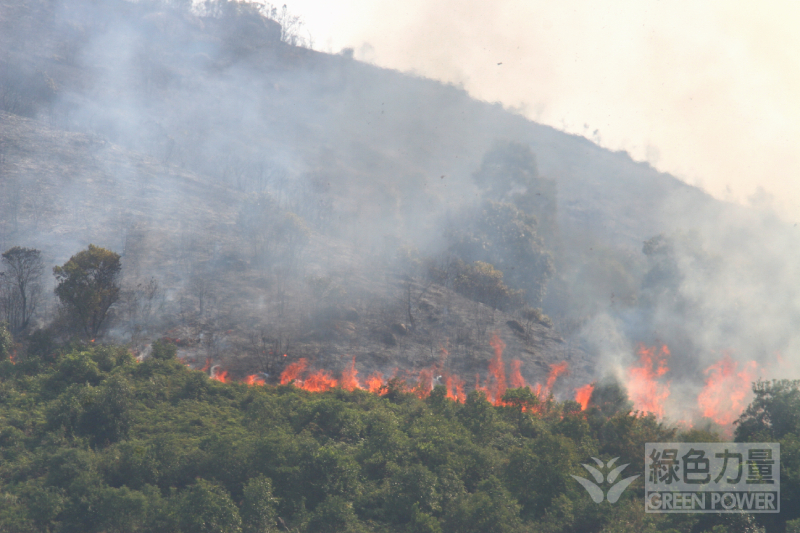
Little sparks can flare up and engulf a whole forest causing catastrophic damages. But some plants have the fire edge over the other and gain a foothold in the aftermath of a wildfire.
Catching Fire
Native to Australia, fire-prone eucalyptus trees love courting fire and are common "arson suspects". Fires cannot destroy them, but, to the contrary, help the marvel trees flourish.
Fast-growing eucalyptus trees can reach up to dozens of metres tall, which attract lightning more than others. When they are struck, the oils contained in barks add fuel to the fire.
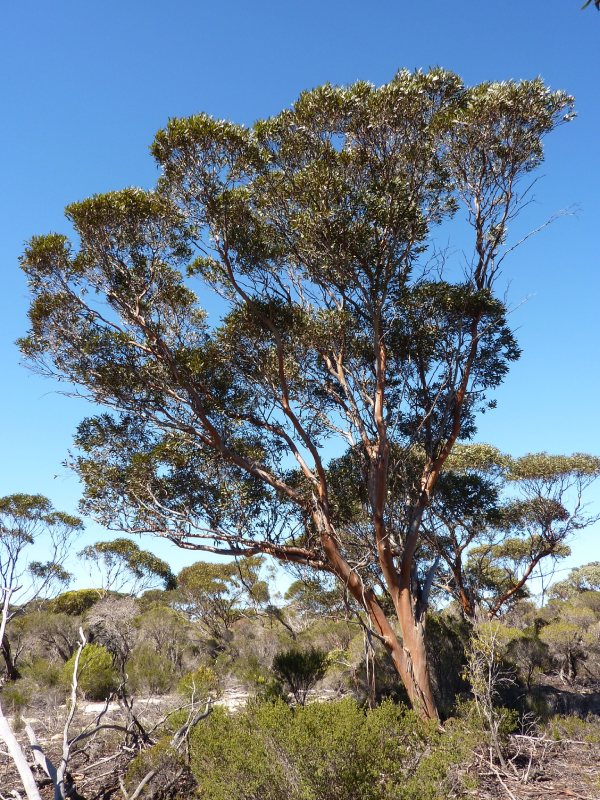
When a blaze tears through a forest, the extreme heat prompted eucalyptus trees to shed barks and disperse seeds from the tough, woody capsules. Underneath the barks of a eucalyptus tree lie dormant buds that can quickly sprout from charred trunks. The released seeds germinate on a nutrient-rich ash seedbed from which all competition has been removed.
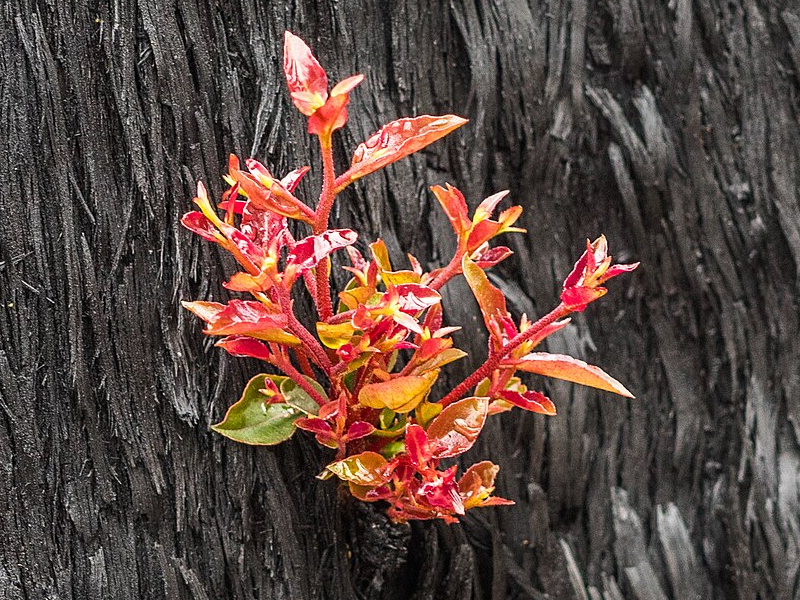
Reborn from the ashes
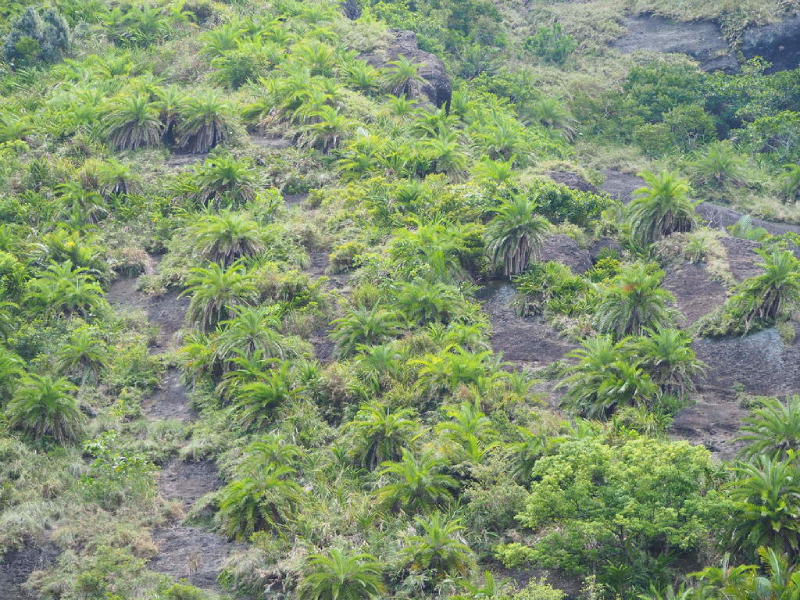
Spiny Date Palm (Phoenix loureiroi), with pinnate leaves, is another expert fire survivor that rises from the ashes.
Petiole bases stay on the trunk like tumor tissues after the leaves shed to insulate interior buds from wildfires. Within two months following a hill fire, new fronds sprouted and the palm flowered and fruited in less than six months to complete a reproduction cycle according to some study.
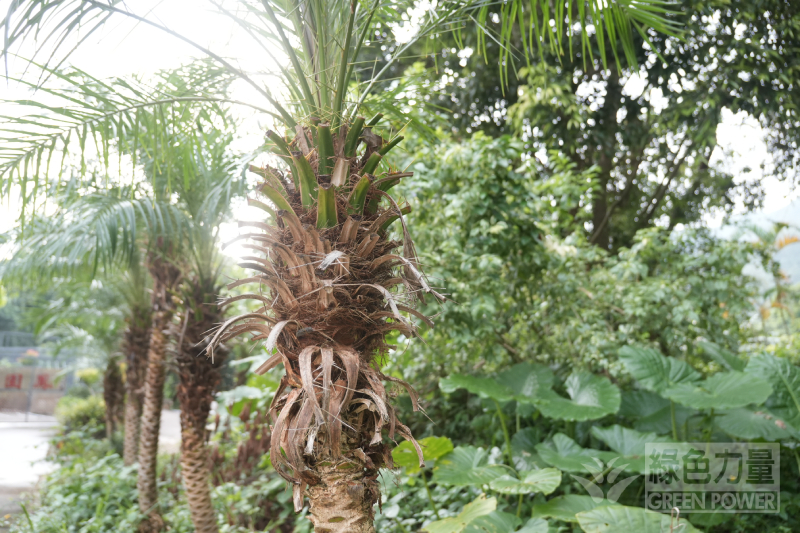
A wildfire put the survival of the fittest to test and only resilient fire-adapted plants with a regeneration gift such as Spiny Date Palm can benefit from the fire to expand its colony.
Fireproof
Chinese Gugertree (Schima superba) is a native species in Hong Kong and a common fire-resistant tree. Its leaves contain 56% of water, which can effectively resist and prevent the spread of a hill fire through evaporation, as well as reducing body heat.
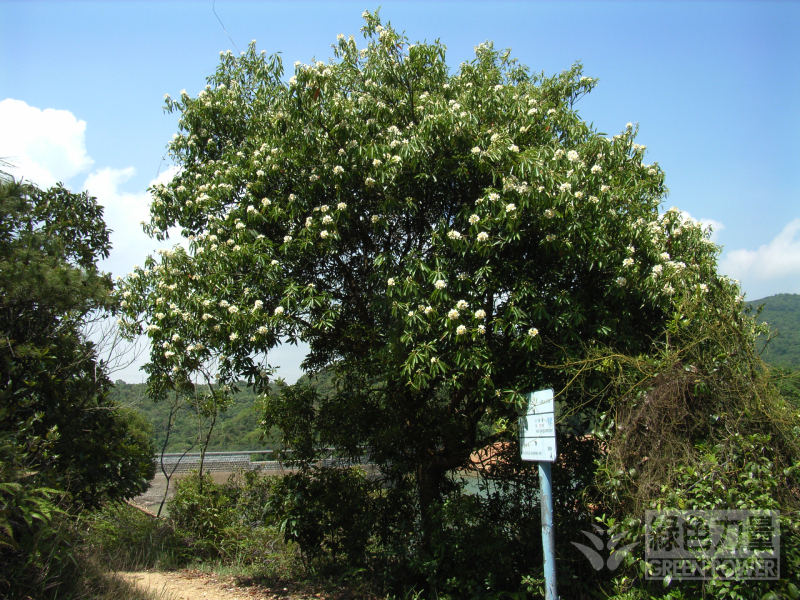
Therefore, Chinese Gugertrees have been widely planted along with other fire-resistant woods as natural firebreaks in the country parks for wildfire prevention. Hong Kong records almost a thousand hill fires every year (Click here to know more), mostly man-made, greening with flame-suppressing evergreens help protect our forests.
But it takes more to reduce fire hazards: abstain from making bonfires outside designated areas in the countryside; leave no smoldering fire behind after grave sweeping; and avoid smoking when hiking.