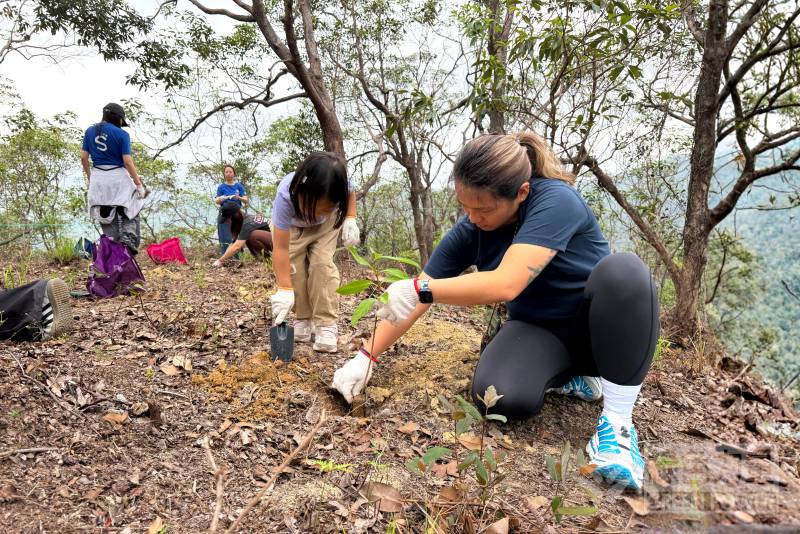
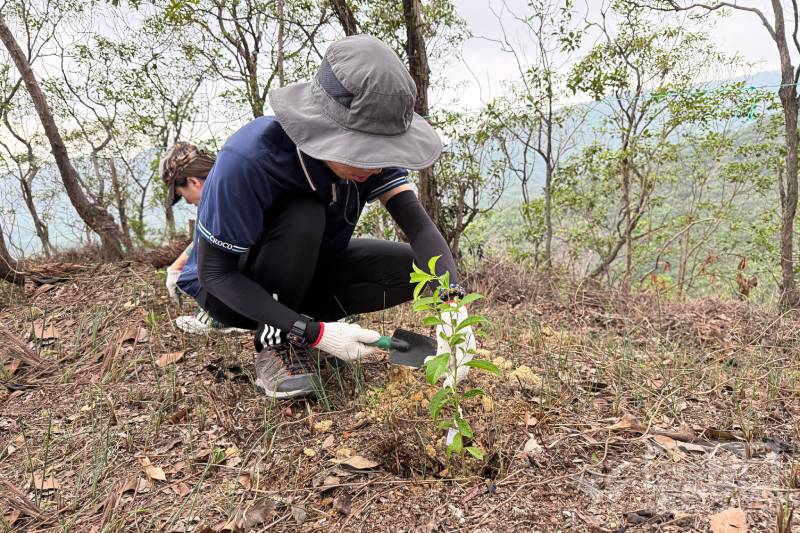
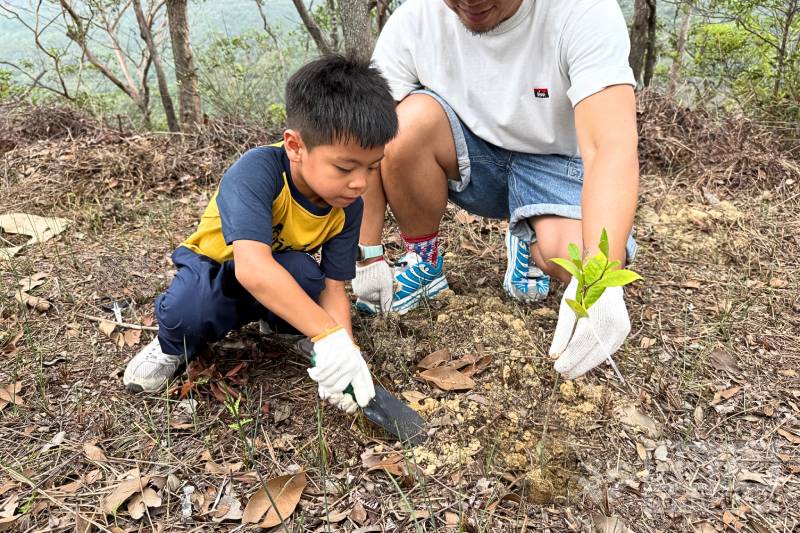
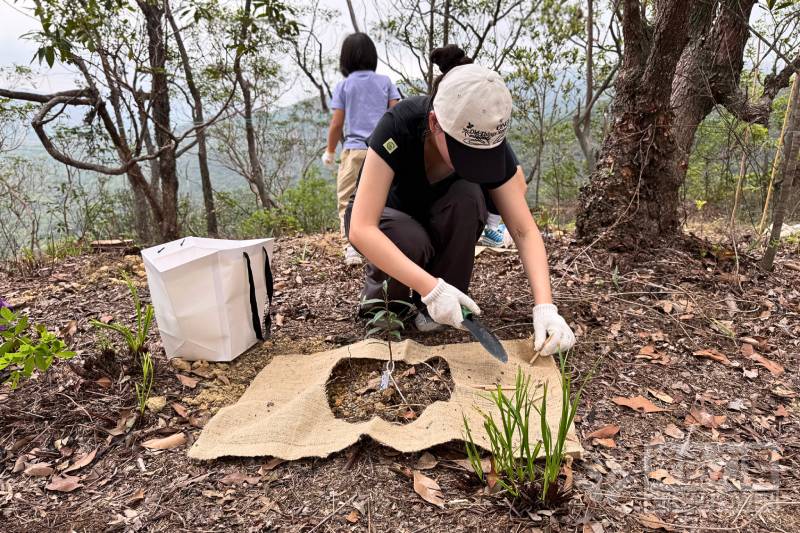
When Hong Kong was under the Japanese occupation, trees in the countryside were felled as fuel wood on a massive scale and left the hills deforested. The government initiated large-scale afforestation work in country parks from the 1950s. Poor quality soil made exotic pioneer tree species a natural choice for planting to remedy soil erosion. When tree plantations began to age in the 2000s, compounded by slow generation of native plants, the Agriculture, Fisheries and Conservation Department launched the “Country Parks Plantation Enrichment Programme” in 2009. Aged exotic tree species were thinned and native tree species were planted.
We are proud to be part of this effort to enhance the ecological values and sustainability of Hong Kong’s countryside.
We welcome people from all walks of life to take part in our tree planting and tree care actions, and to join our guided tours to learn about the relationship between trees and local biodiversity. Together, we can help build a more sustainable countryside.
If you wish to participate or stay updated with the information of Plantation Enrichment Programme, please Subscribe to Green Power.
We also welcome companies to become our “Green Impact Corporate Partners” to enjoy exclusive participation in Tree Planting and Tree Care Actions or other environmental activities.
Tai Lam Country Park
Tai Lam Country Park is one of the country parks in Hong Kong where exotic trees were widely planted. Since 2025, we have been carrying out plantation enrichment work in the area. Our baseline surveys within the project site show that around 80% of the woodland area is dominated by the exotic Brisbane Box (Lophostemon confertus). Due to high planting density and natural ageing, the health of many trees is poor. In addition, only a small number of native plants are found growing in the understorey, and very few animal species have been recorded.
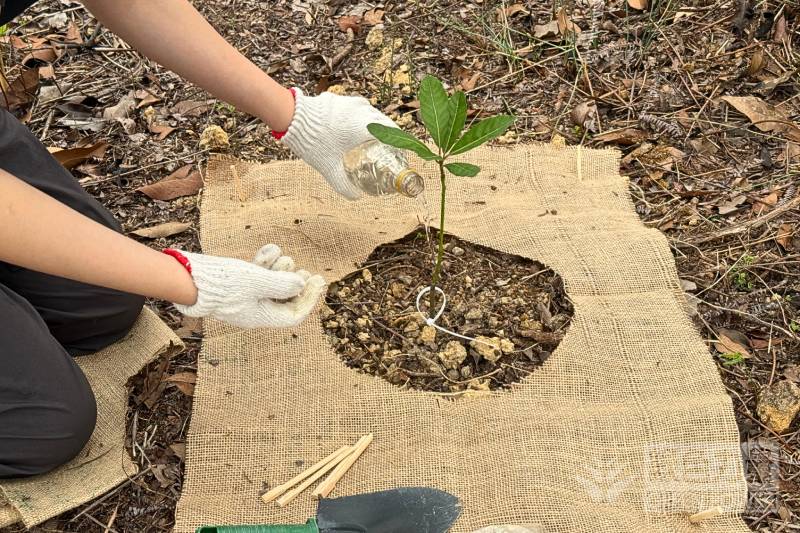
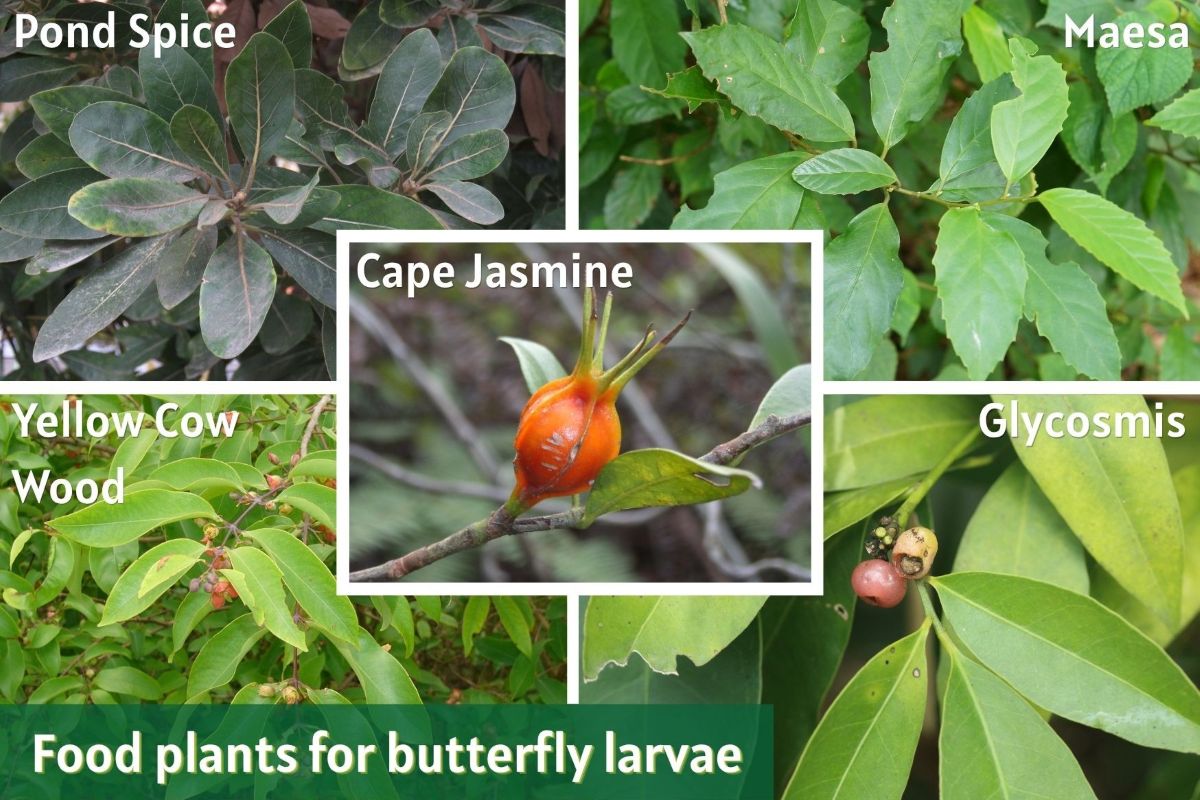
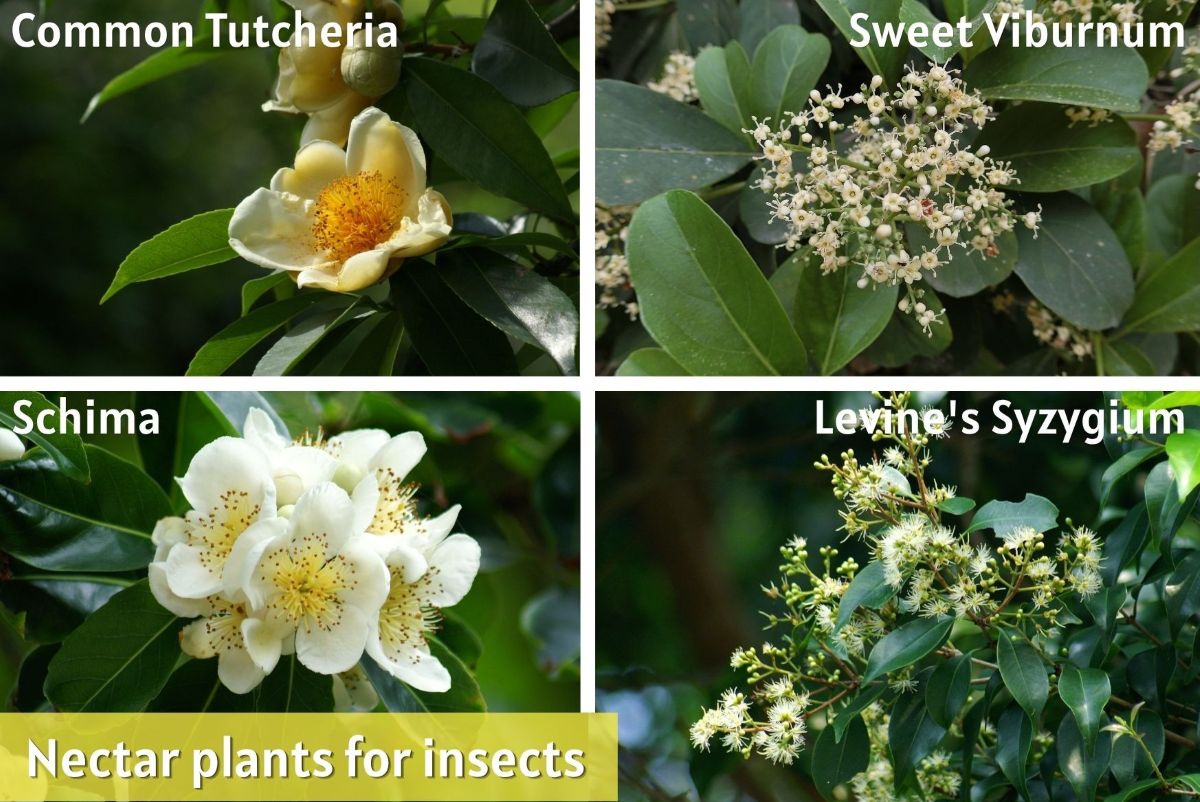
In view of this, our certified arborist and tree risk assessor identify exotic trees in poor conditions for removal. We then plant suitable native tree species to accelerate woodland succession and create better habitat for a wider range of wildlife.
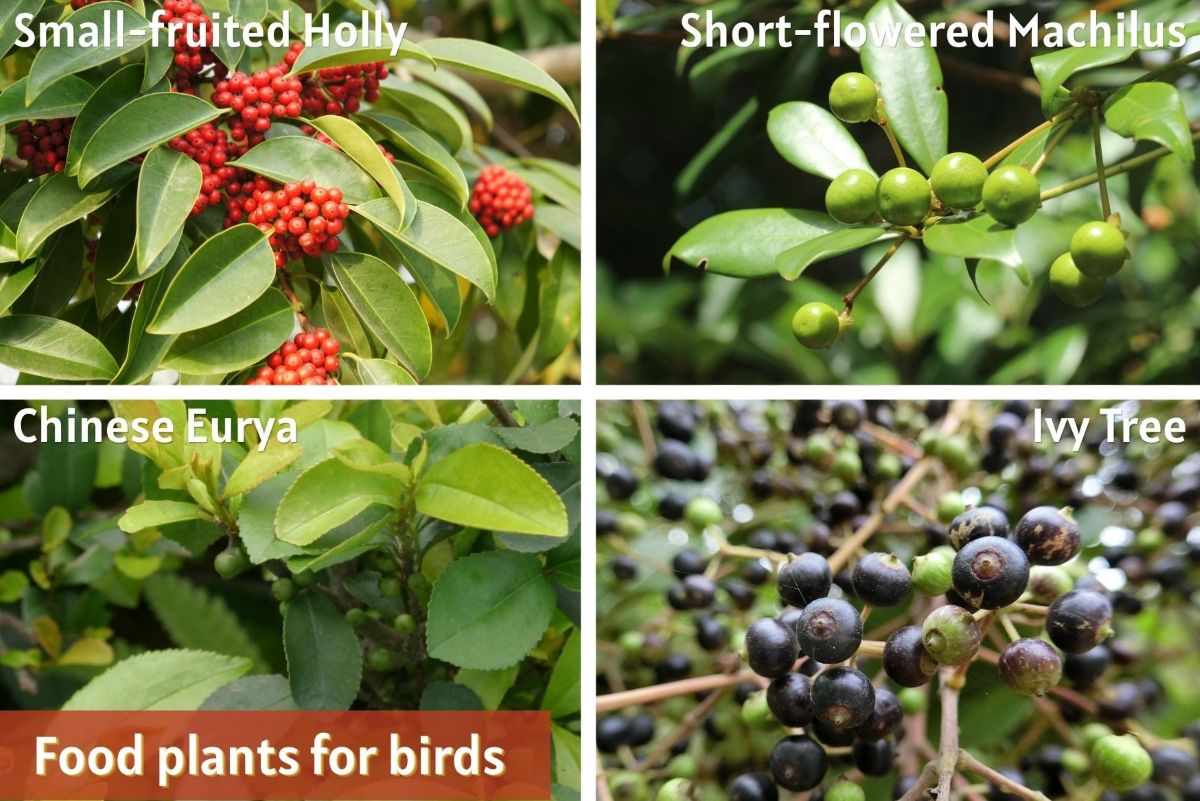
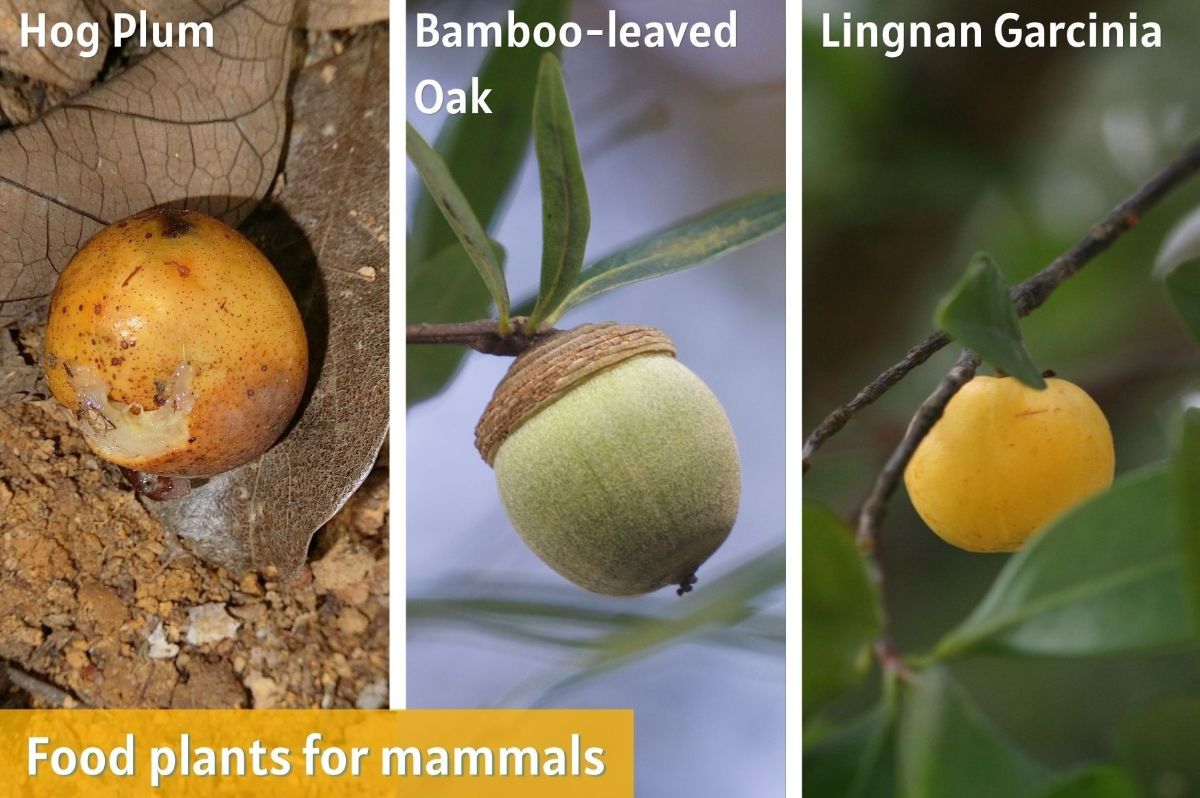
After planting native seedlings, we continue to monitor their growth and provide follow-up care, including irrigation, fertilising and weed removal. To assess the effectiveness of woodland succession, we also carry out ongoing ecological surveys of different species. The data collected not only help us evaluate and refine our plantation enrichment work, but also serve as a reference for future habitat restoration projects—supporting stronger conservation outcomes for local biodiversity.