Nature's counterparts of men-at-arms


Armour is a covering used to protect soldiers on the battlefield as well as a hallmark of status. Our making of armour goes back thousands of years but nature has gifted it to some animals through evolution far earlier to make them unassailable.
Bone Armour
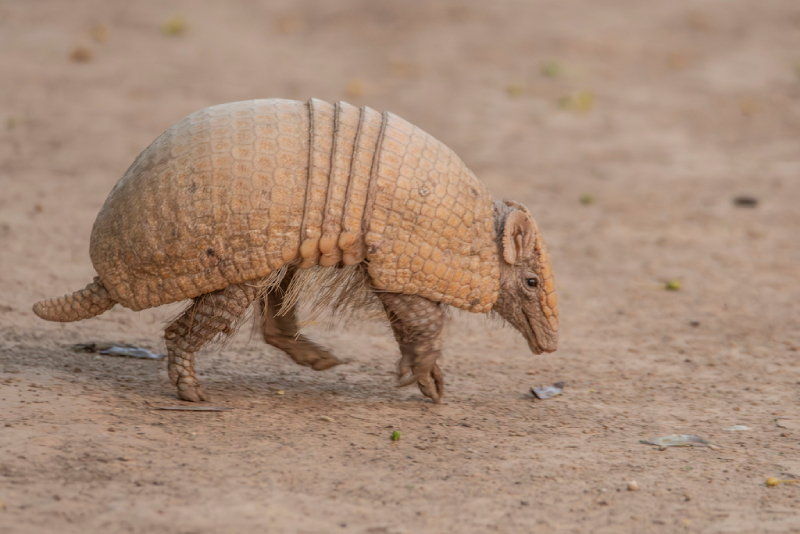
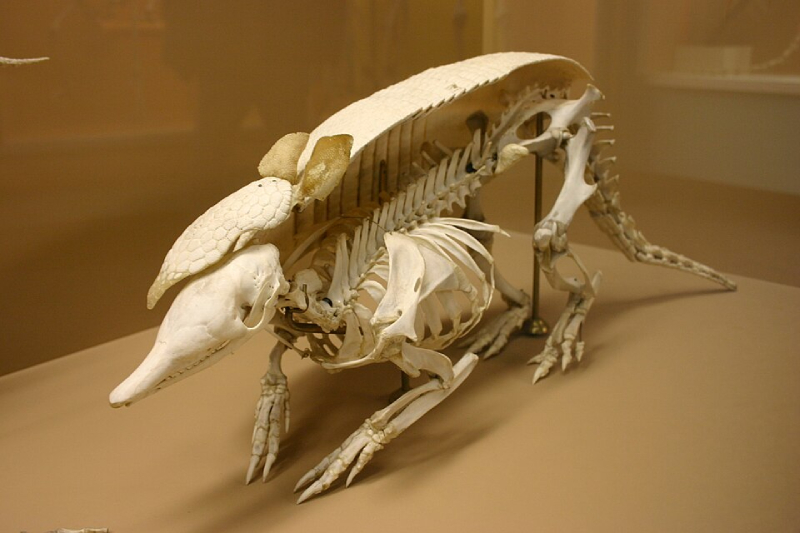
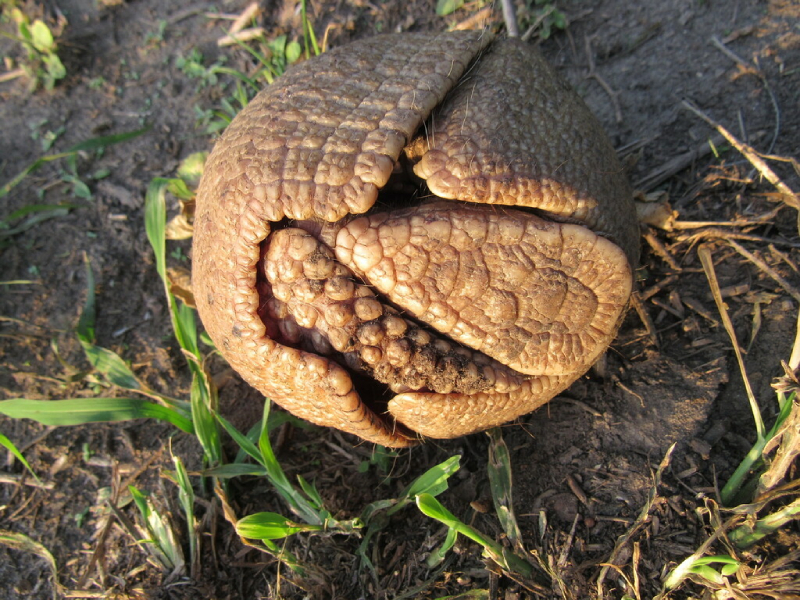
Armadillo, common name for Cingulata mammals, is derived from "armour". The two surviving families of the order Cingulata at present are Dasypodidae and Chlamyphoridae. Armadillo's armour is formed by plates of dermal bone-osteoderms running from its head to the hip, which enables great flexibility as demonstrated by the Three-banded Armadillo (Tolypeutes sp.) in defense when it curls into a ball to protect the vulnerable unplated underside.
Scale Armour
Mention should be made of scale-armoured pangolins which are the eight surviving species of the only member of the order Pholidota. They are covered with keratin scales, the same materials as human nails.
Pangolins are nocturnal ant eaters with a sticky long tongue (click here to know more about tongues of animals) like other anteaters, which they use to search ant nests. Their scale armour protects them from ant bites when foraging for food. When threatened, they roll up into a ball.
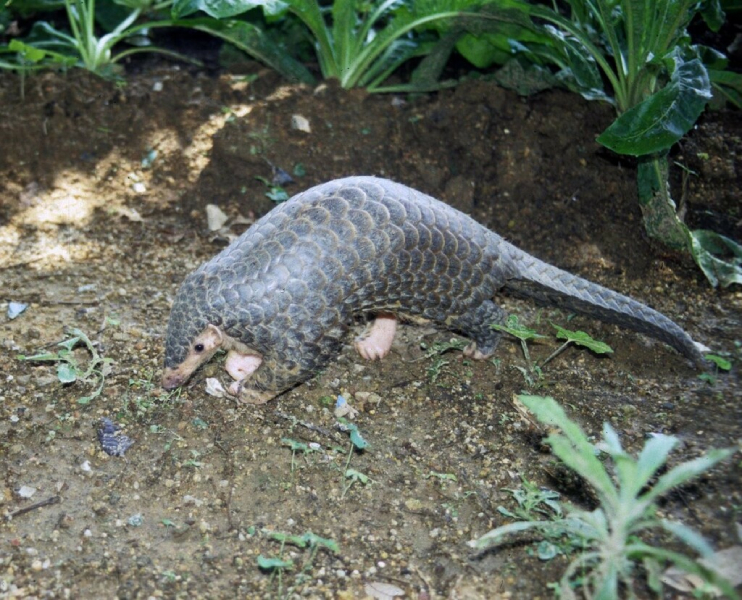
The scale armour may shield pangolins from attacks by animals, but not from humans. They have been poached in great numbers for the supposed medicinal value of their scaly skins. Take the Chinese Pangolin (Manis pentadactyla) which can also be found in Hong Kong for example. It has been pushed to the brink of extinction as a result of poaching and listed as critically endangered in the IUCN red list after a drastic decline in population by more than 80%.
Ironclad Armour
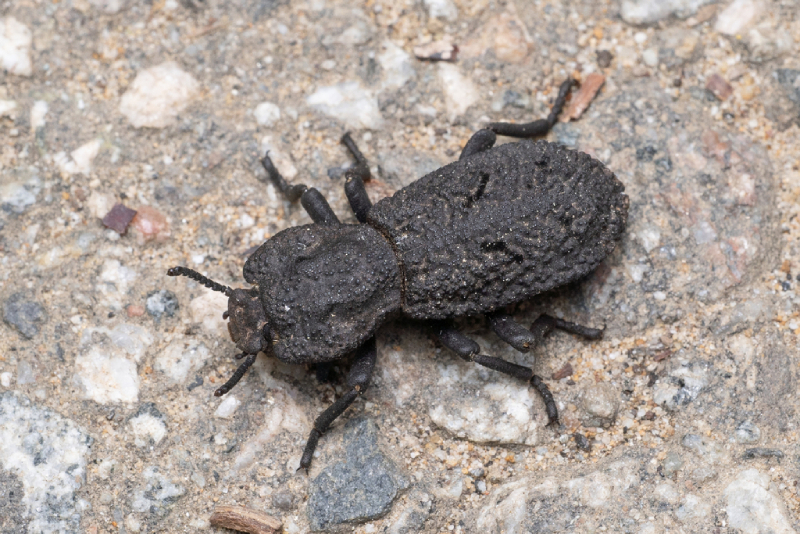
The Diabolical Ironclad Beetle (Phloeodes diabolicus), the equivalent of "Iron Man" in arthropods, is the most tough-skinned bug on earth, with an ironclad armour suit made out of layers of interwoven chitin. Its sturdy and pliant exoskeleton can support about 40,000 times its body weight and survive being run over by a car.
The beetle gives up flying and fuses together its two elytra-wing covers to perfect its ironclad defense against all of its predators. The trade-off pays off!