Crocodile, Ball python (Python regius), African spurred tortoise (Centrochelys sulcata)… these foreign animals have made news for their surprised discovery in Hong Kong. They are suspected of being abandoned pets and raise questions about wildlife trafficking. They were given away by their size and got caught fortunately. Alien species of smaller size could enter by stealth and be a threat to native ecosystems unnoticed.
Lack of natural predators has favoured the rapid spread of alien species after they are brought in. This has a negative impact on native ecosystems. United Nations has listed invasive alien species as one of the five major direct drivers of biodiversity loss. Despite strict regulations on wildlife import in every country, small animals still get smuggled across borders.
One of the examples is butterflies. Spot Cupid (Tongeia filicaudia), an alien species, is commonly sighted in Hong Kong's Flower Show. It arrived with the flower exhibits presumably. That said, threat to native wildlife from foreign butterflies is generally low. Spot Cupid fails to spread out because its larvae feed on Crassula plants that cannot be found in Hong Kong's wild. But the example shows how easy it is for alien species to make safe landings in Hong Kong.
Impact of alien species
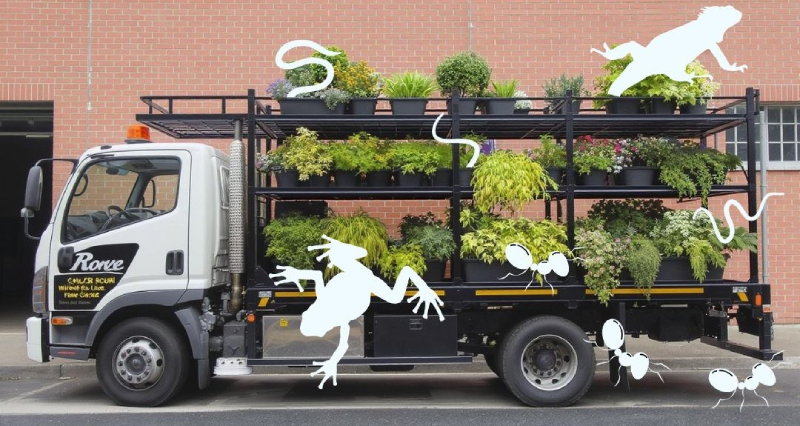
Alien species can be destructive to native ecosystems by competing with native species for food and habitats, or even preying on native wildlife. Greenhouse Frog (Eleutherodactylus planirostris) from Central America was first spotted in Hong Kong in the 2000s. It probably got in with the soil containing its eggs. It is about the size of Romer's Tree Frog (Liuixalus romeri), an endangered species endemic to Hong Kong, and encroaches on its habitats. Competition for resources in the same ecosystem further imperils the survival of Romer's Tree Frog. Indo-Chinese Forest Lizard (Calotes mystaceus), native to Southeast Asia like Burma and Thailand was first seen in Hong Kong in the 2000s. It made its first appearance in Hong Kong Disneyland at where the largest population of it is recorded. It is thought to have come in with the imported plants of the theme park. It has been observed in various areas in Hong Kong and is witnessed by researchers to prey on nestlings.

The classic example of invasive alien species must be Pinewood Nematode (Bursaphelenchus xylophilus), a North American microorganism. It had infested lots of Chinese Red Pine (Pinus massoniana) since its arrival in the 80s and resulted in near extinction of the pine trees. It costed the taxpayers a fortune felling and replanting trees in order to stop the epidemic. It is still unknown how the pine pest "sneaked in".
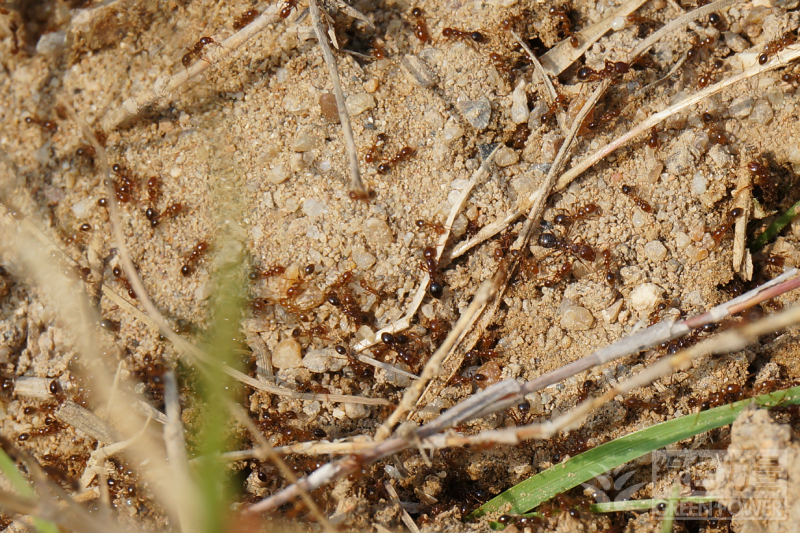
Native ecosystem is not the only victim of alien species. Humans get afflicted too. Encounter with South American Red Imported Fire Ants (Solenopsis invicta) in Hong Kong was first reported in 2005. It was supposed to be carried in with the soil. Fire ant bites can cause anaphylactic shock, even death. It has wreaked havoc in every corner of the globe and inflicted great ecological and economic loss.
Legal loophole
At the moment, permits have to be obtained from the Agriculture, Fisheries and Conservation Department as required by Public Health (Animals and Birds) Ordinance Cap. 139 and Plant (Importation and Pest Control) Ordinance Cap. 207 for import of any birds and invertebrates which may cause plant diseases. The ordinance covers the import of plants, timber and soil from outside except mainland China. This is a huge loophole because the mainland is a transshipment point for overseas plants which are transported to Hong Kong and carry with them alien species.
A number of infrastructure projects and greening works have been planned by the government. Therefore, loads of plants and soil from mainland nurseries are expected to stream in with abandon. Protection of Hong Kong's biodiversity begs attention. The legal loophole has to be closed to prevent the "illegal immigration" of animals.