Development Bureau (DEVB)
Northern Metropolis Co-ordination Office (NMCO)
c/o: Mr. NG Kim Wai (Head, Planning & Development Team)
Mr. CHEUNG Ho Ming, Herman (Assistant Secretary (Northern Metropolis))
Civil Engineering and Development Department (CEDD)
West Development Office
c/o: Mr. CHAN Ka Ho, Benjamin, JP (Project Mgr (W)),
Mr. YIP Hung Ping, Joe (Dep Project Mgr (W))
Mr. CHUNG Lok Chin (Ch Engr/W3)
Planning Department (PlanD)
Territorial Planning Branch
c/o: Ms. CHENG Wan Ying, Johanna (Asst Dir of Planning/Tech Services)
Agriculture, Fisheries and Conservation Department (AFCD)
Country Parks Recreation Development Division
c/o: Dr. TO Man Wai, Esther (Asst Dir (Country Parks)),
Ms. CHOW Wing Sun, Sunny (Sr Country Parks Offr (Planning & Regulations)),
Dr. TAM Tze Wai (Sr. Country Parks Officer (Recreation Development)),
Mr. CHOW Wing Kuen (Sr. Fisheries Officer (Mariculture and Special Projects)),
Ms. LI Wai Hung, Louise (Sr. Marine Conservation Officer (West))
CPP public consultation (myviews_cpp@afcd.gov.hk)
Cc: Environment and Ecology Bureau (EEB)
Environment Branch (ebenq@eeb.gov.hk)
Dr. Kam-shing LEUNG, ARUP
Mr. Gary CHOW, Mott MacDonald
Please find enclosed the Joint Expert Submission on the Latest Development Proposal at Lau Fau Shan, Tsim Bei Tsui and Pak Nai Areas, and the Latest Conceptual Plan of the Proposed Coastal Protection Park.
EXECUTIVE SUMMARY
This joint submission, endorsed by 18 environmental organisations, academics, ecologists, and community stakeholders, welcomes the Government's latest proposals for the Lau Fau Shan (LFS), Tsim Bei Tsui (TBT), Pak Nai (PN) developments and the proposed Coastal Protection Park (CPP). We commend DEVB, AFCD, CEDD, PlanD and the project consultants for incorporating several recommendations from previous stakeholder submissions, including the expansion of the seaside CPP, the adoption of a zoning-based management framework, and stronger recognition of biodiversity conservation and oyster farming heritage.
We believe the proposed CPP represents a once-in-a-generation opportunity to establish Hong Kong's largest coastal conservation initiative and a flagship example of ecological civilisation, demonstrating how conservation, sustainable development, climate resilience, nature-based solutions, and cultural heritage can coexist within the Northern Metropolis. If properly planned, funded, and managed, the CPP could generate substantial ecological, social, cultural, and economic benefits while contributing to the objectives of the Northern Metropolis Development Strategy, Hong Kong's Biodiversity Strategy and Action Plan (BSAP), and national policies on ecological conservation and high-quality development.
While strongly supporting the overall direction of the proposal, we urge Government to adopt an integrated, landscape-scale approach for Deep Bay. The CPP, Ramsar site, Wetland Conservation Park system, Northern Metropolis development areas, ecotourism nodes and transport infrastructure should be planned and managed as a single interconnected ecological system. Decisions should therefore be based on cumulative impacts rather than individual project assessments.
Our key recommendations are as follows:
• Establish the CPP before major development works commence, upholding the principles of "conservation first, development follows" and "no net loss of wetlands".
• Relocate ecologically incompatible developments, including the proposed tourism sites within the Wetland Buffer Area, the proposed Oyster Farming Development Area within the Important Bird Area at Sha Kiu Sheung Wan Tsuen, and existing brownfield and other temporary uses in the vicinity.
• Further strengthen and expand the CPP boundary by incorporating the remaining 200 hectares of Inner Deep Bay SSSI habitats, upgrading ecologically sensitive landside areas at TBT to Biodiversity Conservation Zones, and designating the Pak Nai core conservation area as a Marine Park.
• Enhance climate resilience and ecological connectivity by integrating sea-level-rise projections, strengthening the proposed Green Corridor network, implementing Nature-based Solutions, and locating compensation wetlands along the Deep Bay coastline where they can support the CPP and wider ecosystem.
• Adopt conservation-oriented zoning and management frameworks that prioritise habitat protection, restoration, scientific research, environmental education, and low-impact ecotourism while ensuring the continuation of sustainable oyster farming and protection of cultural heritage.
• Develop ecotourism according to international best practices, supported by carrying-capacity assessments, visitor management systems, and sustainable financing mechanisms that reinvest revenue into conservation.
• Establish a Deep Bay Health Index to monitor biodiversity, habitat condition, water quality, ecosystem services, climate resilience, and community participation, providing a transparent framework for adaptive management.
• Create a dedicated CPP Conservation Trust Fund supported by government, visitors, developers, philanthropy, and conservation finance mechanisms to ensure long-term financial sustainability.
• Establish a multi-stakeholder CPP Advisory Committee comprising government agencies, local communities, oyster farmers, academics, conservation organisations, and tourism representatives to guide management, conservation priorities, and funding decisions.
We believe these measures will maximise the conservation, economic, and community benefits of both the CPP and the wider Deep Bay development programme. More importantly, they will help ensure that the Northern Metropolis becomes a leading demonstration of how nature conservation and sustainable development can be successfully integrated for the benefit of current and future generations.
FULL SUBMSSION
We, collectively representing 18 green groups, concerned stakeholders, and ecologists, would first like to express our appreciation to NMCO of DEVB, PlanD, CEDD, AFCD, and the project consultants for organizing meetings with us between May and June, and for briefing us on the latest development proposals for the Lau Fau Shan (LFS), Tsim Bei Tsui (TBT) and Pak Nai (PN) areas, as well as the proposed Coastal Protection Park (CPP).
We also appreciate your consideration of, and incorporation of elements from, our previously submitted recommendations. These include the joint submission by The Nature Conservancy (TNC), Ha Tsuen Tang's Yau Gong Tong, and three oyster farming associations on October 3rd, 2025, regarding the expansion of the proposed seaside portion of the CPP1, as well as our joint submission on October 22nd, 2025, setting out seven guiding principles, ranging from proper spatial planning and zoning management to sustainable conservation finance2.
Based on the latest CPP proposal presented on the AFCD's CPP webpage, we note and welcome the following enhancements and proposed management measures3 4:
1. Expansion of seaside CPP to cover the whole government-designated oyster farming areas, i.e. Short-Term Tenancy No. 2266 (STT2266)
We believe that the proposed expansion of the seaside CPP to 2,250 hectares would strengthen ecological connectivity among the intertidal and subtidal areas of Deep Bay, the Mai Po and Inner Deep Bay Ramsar Site, Futian Mangrove Ecological Park, and Shenzhen Bay Park. It would also help conserve locally threatened species and habitats, including horseshoe crabs, Halophila seagrass beds, restored oyster reefs, native mangroves, and migratory waterbirds. Furthermore, it would support the sustainable management of the oyster aquaculture industry and preservation of Hong Kong's traditional oyster farming culture.
2. Adoption of a Zoning-Based Management Approach
We support the proposed zoning management approach, which prioritizes areas of higher biodiversity value as core conservation zones where more active ecological restoration and more frequent scientific monitoring can be undertaken. This approach could also facilitate future assessments of ecological carrying capacity and inform the design of appropriate ecotourism intensity levels and operational models within different zones. Core conservation areas should be designated as restricted zones with highly controlled visitor activities (e.g. guided tours by dedicated Park staff only); while other zones in less ecologically sensitive areas (Eco-learning and Discovery and Oyster Culture Heritage zones) could support broader ecotourism activities within the boundaries of pre-established carrying capacities.
3. The mudflats stretching from Pak Nai Ap Tsai Hang to Ha Pak Nai Tai Shui Hang have been proposed as a 'Biodiversity Conservation Zone', which would be subject to the highest level of conservation protection, together with more intensive ecological research and monitoring. This area has been extensively surveyed and well documented for its exceptionally rich biodiversity, yet it is currently facing significant threats from unsustainable tourism activities, illegal fishing5, and pollution from land-based activities6 7.
4. We welcome the four proposed objectives of the CPP, which appropriately prioritize conservation and the maintenance of ecological connectivity. These objectives are: (1) establishing a coastal landscape ecological corridor; (2) conserving the natural coastline and coastal ecosystems; (3) providing a high-quality outdoor eco-recreation space; and (4) conserving and supporting the existing fisheries and oyster farming industry.
We jointly believe that, if the proposed CPP can be established as soon as possible and managed effectively, it has the potential to become Hong Kong's largest site for implementing and showcasing ecological civilisation (生態文明)principles, nature-based solutions (NbS), and urban–rural integration. This would generate significant economic, social, and conservation benefits, while aligning with the national blueprint for high-quality national development8, President Xi Jinping's vision for ecological civilisation9, 'coexistence of development and conservation' principle of Hong Kong 2030+10, implementing a proactive conservation policy to create environmental capacity' embedded in the Northern Metropolis Development Strategy11, the Hong Kong Nature-based Solutions Design Guidelines12 and the updated Hong Kong Biodiversity Strategy and Action Plan (BSAP)13.
However, we would like to suggest to the DEVB, AFCD, CEDD, HYD, and PlanD some areas that can be improved regarding several aspects of the preliminary design and management of the CPP, as well as nearby development projects in Deep Bay that may undermine this vision, disrupt the ecological connectivity of Deep Bay, and diminish the ecosystem services that the future CPP is expected to provide.
Please note that all issues raised and suggestions are consensus driven, inclusive or local community voices and consider an integrated, landscape-scale perspective for Deep Bay. In formulating our recommendations, we have sought to consider all known factors and variables comprehensively, including development proposals, local community stakeholder engagement, environmental benefits and projections, scientific evidence, existing and emerging threats, and relevant government policies. This approach aims to better assess the cumulative impacts on wetland resources and ecosystem functions, rather than examining individual projects in isolation—for example, the designation of the CPP or the development of the LFS Station project alone. Such a holistic assessment is essential for understanding cumulative impacts and designing effective mitigation and compensation measures14. As the recommendations set out below are closely interconnected, we strongly encourage all relevant government bureaux and departments to consider them collectively and holistically in their planning and decision-making processes.
Zoning, Compatible Land uses and Planning Intention
1. Speed up the CPP planning process to uphold the 'conservation first, development follows' and 'no net loss of wetlands' principles
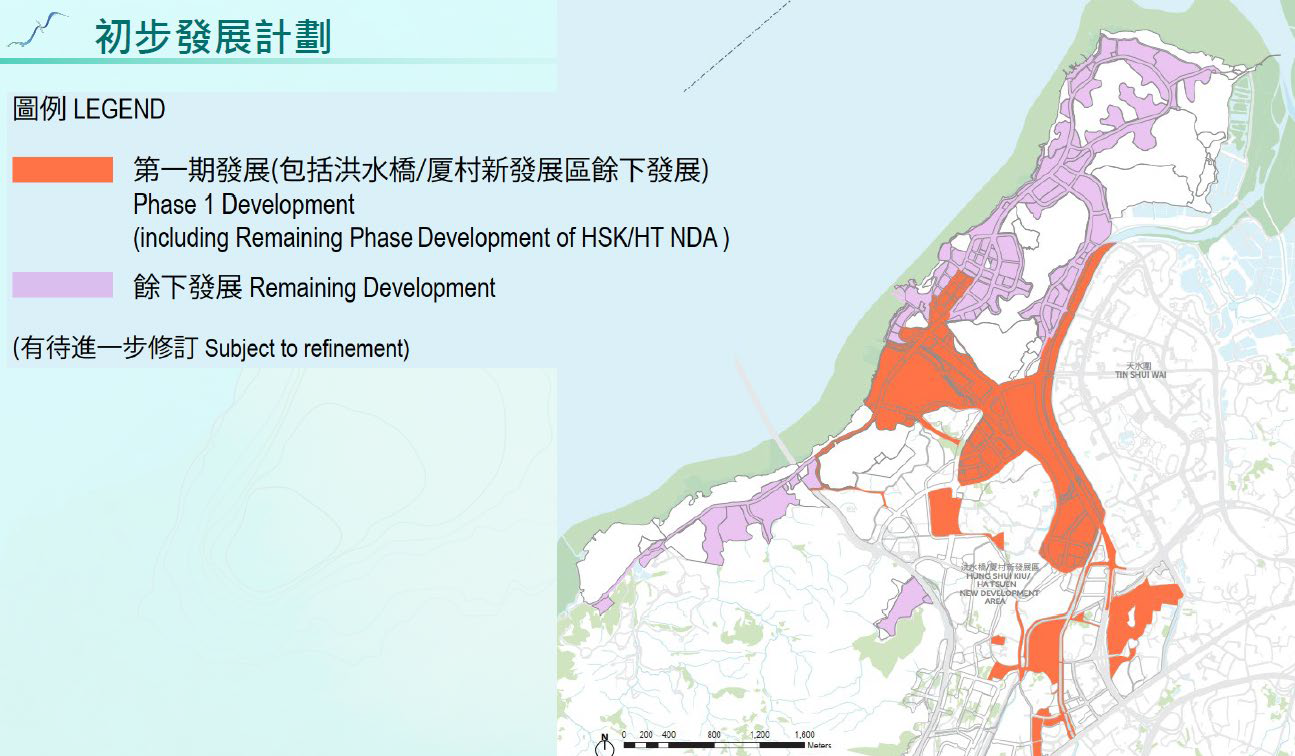
We understand that the Development Bureau (DEVB) and CEDD are planning to commence site formation works for Phase 1 of the LFS, Sha Kong Tsuen and Hung Shui Kiu development project by 2028 (Fig 1). Given the scale of the Phase 1 development and its proximity to the coastline, we anticipate that development-related runoff and other associated impacts entering the waters of Deep Bay will be unavoidable. Such impacts could directly degrade the ecological condition of the bay and adversely affect the flight paths and habitats of waterbirds. In light of these potential impacts, we recommend that the CPP be formally established before site formation works commence. Specifically, the CPP boundary should be finalized and reviewed by all relevant stakeholders by 2026, allowing it to be incorporated into the revised Hung Shui Kiu/Ha Tsuen Outline Zoning Plan and other relevant statutory planning frameworks. Establishing the CPP at an early stage would help ensure that conservation objectives are fully integrated into the planning and implementation of nearby development projects, thereby safeguarding the ecological connectivity and environmental integrity of Deep Bay.
2. Suggested 3.5-hectares 'OU(TOURISM)2'* development within Wetland Buffer Area (WBA) at TBT should be avoided or properly compensated
(*OU stand for the zoning designation 'Other Specified Uses' under outline zoning plan.)
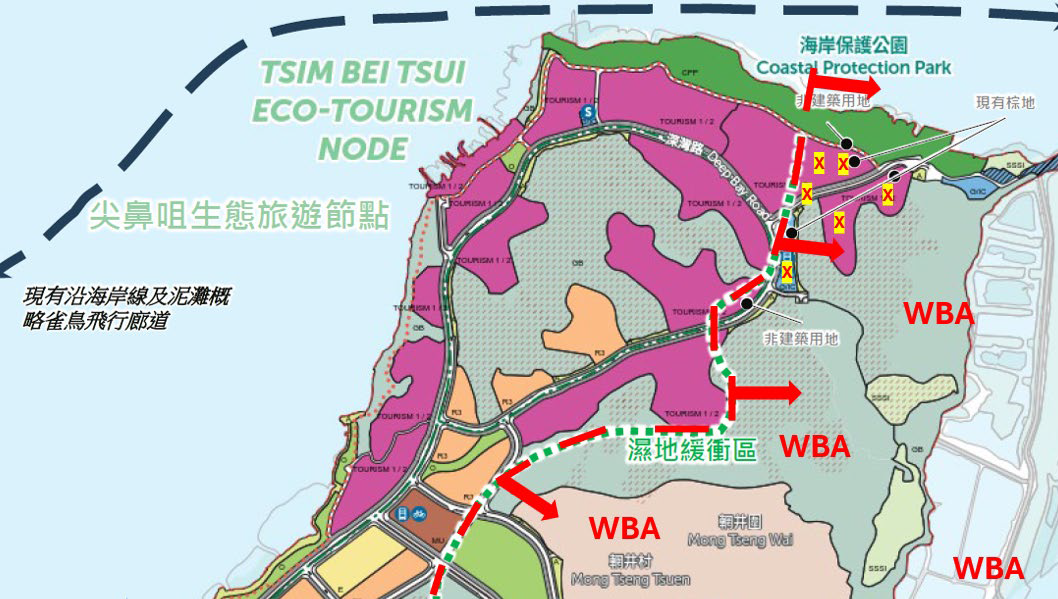
The purpose of the Wetland Buffer Area (WBA) is to mitigate the adverse impacts of development on wetlands within the Wetland Conservation Area (WCA)15, and to protect the ecological integrity of the Ramsar Site from incompatible development. According to the Town Planning Board Guidelines, new development within the WBA will generally not be considered unless the applicant can demonstrate that the proposed development would have no significant adverse impacts on the environment, ecology, drainage, sewerage, and traffic conditions in the area16. However, based on the latest development proposal, approximately 3.5 hectares have been designated as an 'OU(TOURISM)2' development zone within the WBA (Fig 2). The proposed land use appears to focus primarily on recreation- and tourism-related development aimed at attracting large visitor numbers, rather than directly or indirectly supporting nature conservation or preserving the area's natural landscape value. From a conservation perspective, existing brownfield sites within the WBA should be restored to natural wetland habitats, rather than being rezoned for alternative land uses that would permit further development.
We therefore recommend that the proposed 'OU(TOURISM)2' development area either be relocated to land outside the WBA, or that a relatively larger area of wetland habitat within the project boundary be restored and compensated for immediately to ensure no net loss of wetland resources and ecological functions, as newly restored wetland does not always guarantee success, and the restored site will take time to grow into a fully functional wetland. In general, restored brownfield sites should be the first priority for tourism-related development rather than natural areas.
3. Proposed 'Oyster Farming Development Area' ( 養蠔業發展據點 ) at Sha Kiu Sheung Wan Tsuen should be avoided or relocated to other locations, e.g. LFS
The coastal area at Sha Kiu Sheung Wan Tsuen, currently proposed as an 'Oyster Farming Development Area' (Fig 3) under the proposed "OU(TOURISM)1" zoning, is home to several local oyster-farming families, including Chan Cheung Kee Oysters ( 陳祥記蠔豉 ). The area is also internationally recognised as part of an Important Bird Area (IBA)17 (Fig 4). These oyster-farming families possess invaluable traditional knowledge relating to benthic oyster cultivation, oyster processing, and the production of oyster sauce and other oyster-based products.18 Such knowledge and practices have been recognised as part of Hong Kong's Intangible Cultural Heritage. For e.g, the family-run Chan Cheung Kee Oysters operation has expressed its desire to avoid relocation. We agree it is meaningful for these villagers to remain in their existing homes, continue their family-based oyster-farming operations, and be empowered—together with younger generations—to serve as future tour guides, cultural interpreters, and living witnesses to the area's history and heritage. In doing so, they could play an important role in supporting community-based ecotourism initiatives associated with the CPP and the proposed ecotourism node. Conversely, a business- or development-driven "Oyster Farming Development Area" would be incompatible with an IBA and may undermine the long-term sustainability of the oyster-farming industry and compromise efforts to preserve its cultural heritage.
Moreover, any "OU(TOURISM)1" development located in such close proximity to the proposed seaside CPP could generate pollution runoff and other environmental impacts affecting nearby ecologically sensitive habitats. In addition, the development itself would likely face significant coastal flooding risks, which are expected to intensify under future sea-level-rise scenarios.
One possible alternative would be to relocate the proposed "Oyster Farming Development Area" to the vicinity of the LFS Seafood Market Pier, e.g. areas that have already planned for market expansion (Fig 5). Such a location could enrich visitors' experiences by integrating oyster-farming culture, traditional knowledge, and heritage interpretation into existing seafood-market activities, thereby enhancing the area's appeal beyond shopping and dining alone. Furthermore, this location would likely have a substantially higher visitor-carrying capacity due to its convenient walking-distance access to the future LFS railway station.
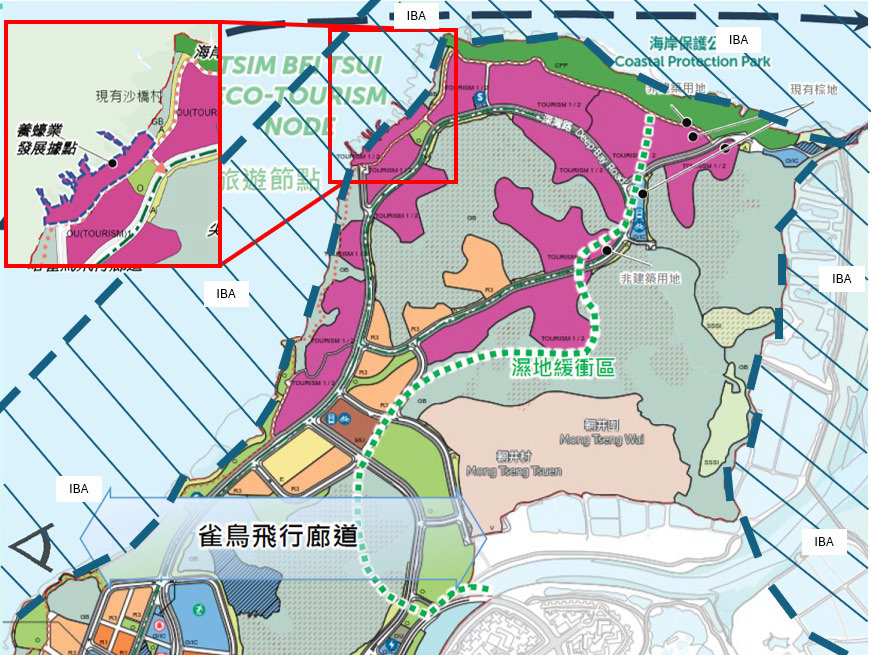
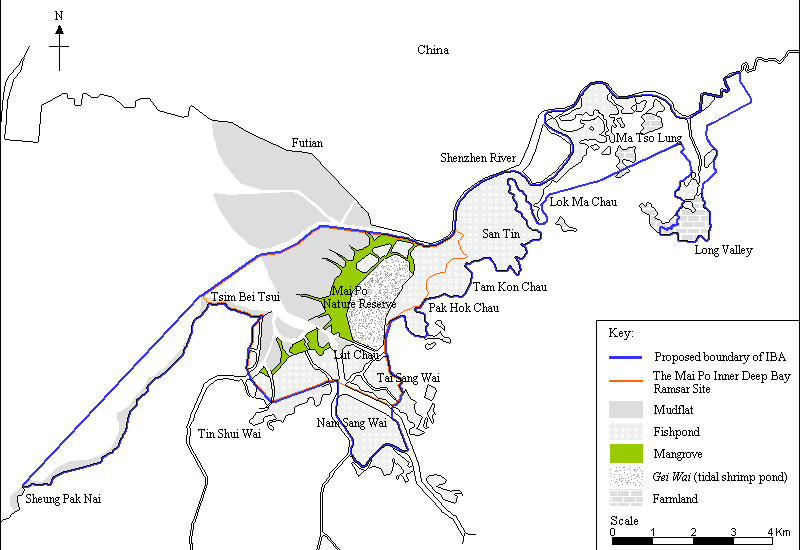
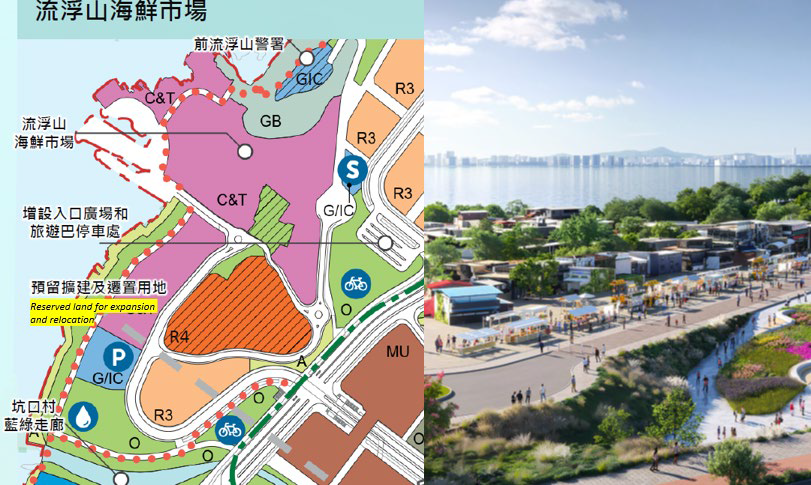
4. Proposed expansion of the seaside CPP to cover all the Inner Deep Bay SSSI
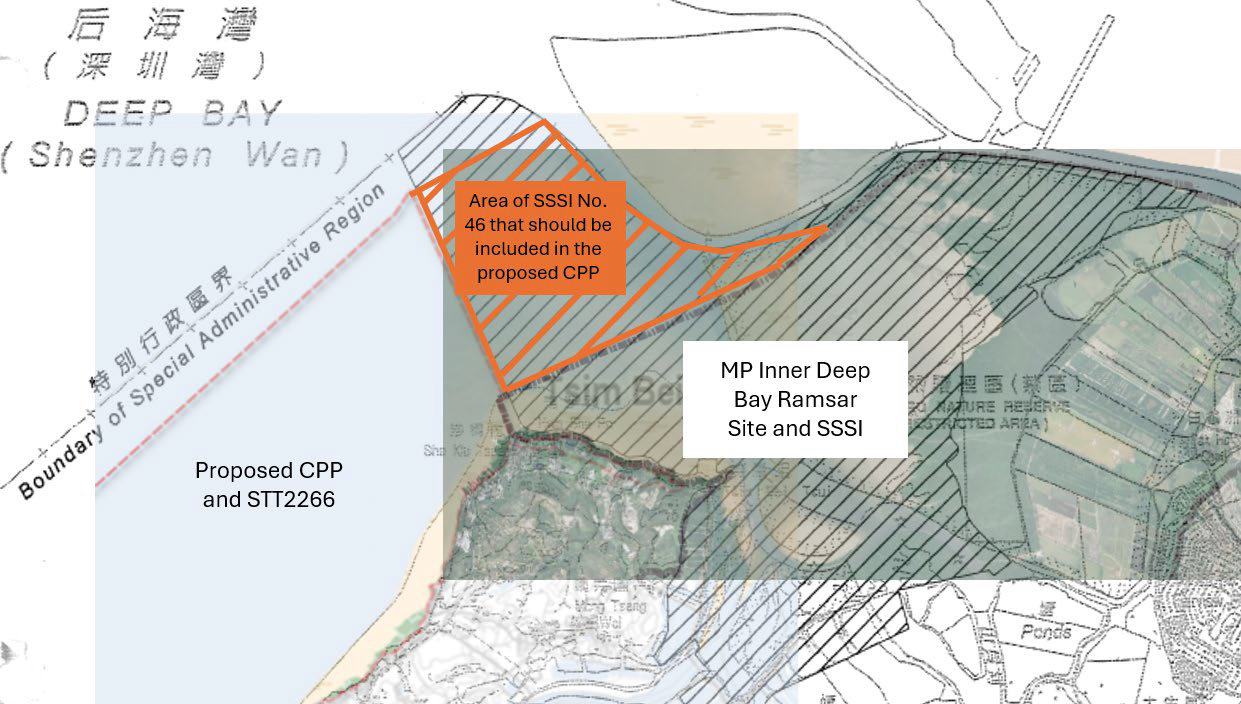
The proposed 2,250-hectare seaside CPP (Fig 6) currently extends only to the northeastern boundary of STT2266 at TBT, leaving an approximately 200-hectare gap of intertidal mudflats and shallow-water habitats between the proposed CPP and the designated Mai Po and Inner Deep Bay Ramsar Site19(Fig 7). This creates a bottleneck in the ecological connectivity between these important wetland ecosystems. However, this area has been recognized as part of the Inner Deep Bay Site of Special Scientific Interest (SSSI No. 46) (Fig 8) since 1986 due to its significant ecological value, particularly as a habitat for migratory waterbirds, mangrove-associated crabs, and shrimp species. Despite its conservation importance, the area is currently excluded from the proposed CPP boundary.
We therefore recommend that the seaside CPP be expanded to include this additional 200 hectares of intertidal and subtidal habitats as Biodiversity Conservation Zone with entry restriction (Fig 9). Such an expansion would enhance ecological connectivity between the CPP and the Ramsar Site, strengthen the overall integrity of the Deep Bay ecosystem, and facilitate more effective and coordinated management of ecologically important habitats. It would also avoid the need for future boundary revisions and associated administrative complications, thereby providing a more comprehensive and long-term conservation framework for Deep Bay. This recommendation also aligns with the Priority Action 1.2 under the updated BSAP on enhanced management of protected areas and habitat connectivity.
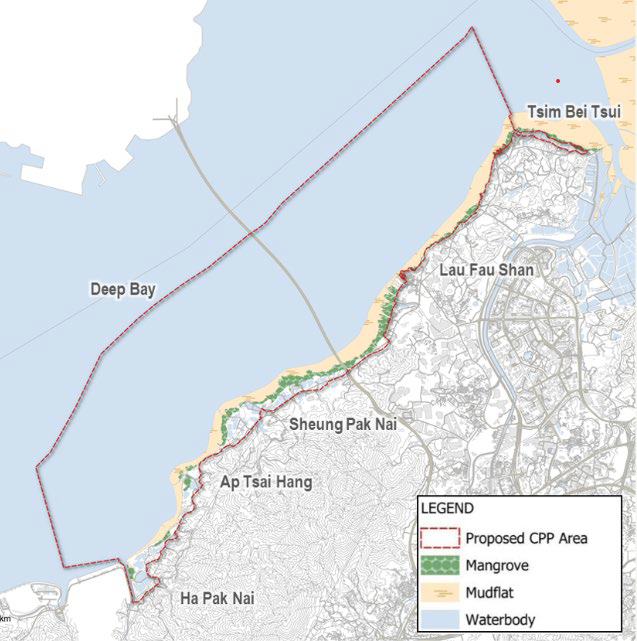
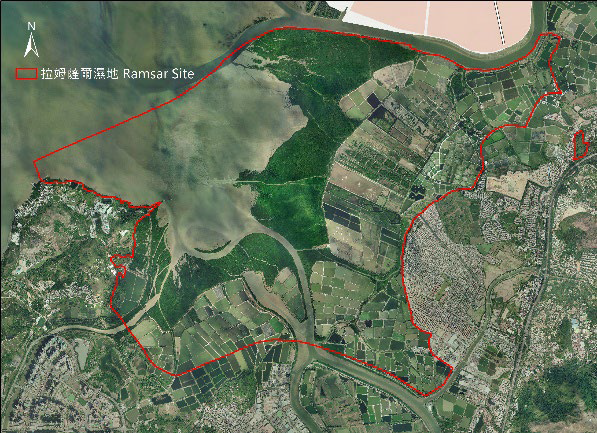
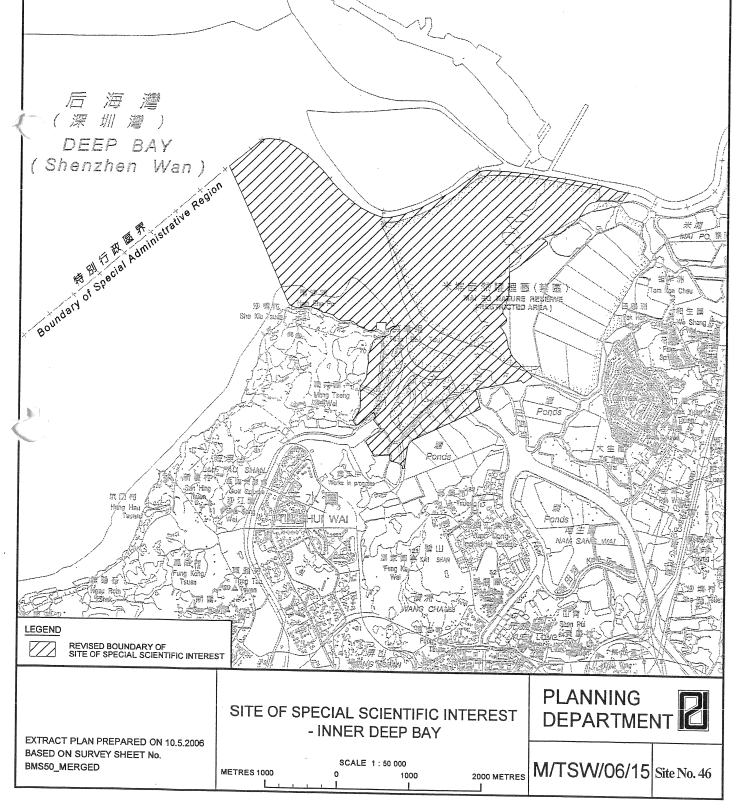
5. Upgrade the proposed zoning management of the landside CPP at TBT to 'Biodiversity Conservation Zone
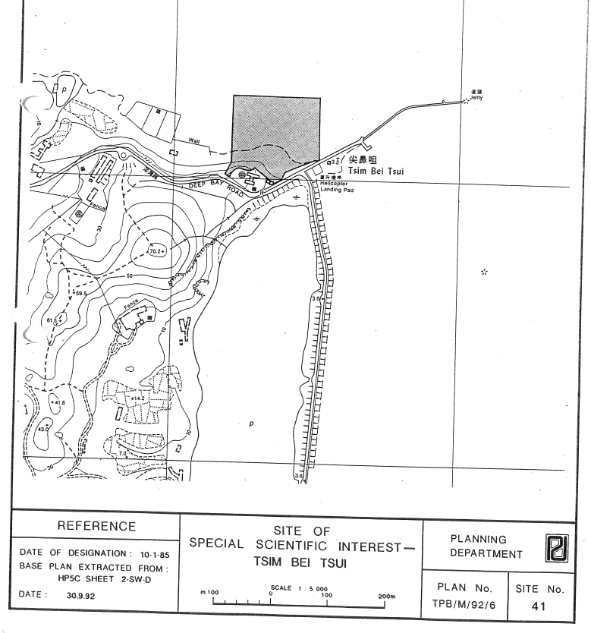
We recommend that the proposed 1.3-kilometre landside CPP at TBT, currently proposed as "Eco-learning and Discovery Zone" be designated and managed as a "Biodiversity Conservation Zone". This recommendation is justified by the area's close proximity and direct ecological connectivity to the Mai Po and Inner Deep Bay Ramsar Site and SSSI No. 41 at TBT20 (Fig 10). The area also overlaps with a documented flight corridor used by waterbirds travelling between Inner Deep Bay and adjacent coastal waters, making it an important component of the broader Deep Bay ecological network. In addition, visitor pressure in this area is expected to increase significantly as the surrounding land is progressively developed under the proposed "OU(Tourism)1" and "OU(Tourism)2" zones. Without appropriate conservation zoning and management measures, increased human activities may result in disturbance to birds and other wildlife, thereby undermining the ecological functions that the CPP aims to protect. Given its high ecological value and strategic location, we recommend that this section of the CPP be subject to the highest level of conservation management within the proposed zoning framework. Enhanced ecological monitoring, habitat management, restoration activities, and visitor controls should be implemented to safeguard biodiversity and maintain ecological connectivity with nearby protected areas.
6. Marine Park as the best management model for the proposed 'Biodiversity Conservation Zone' of seaside CPP at PN
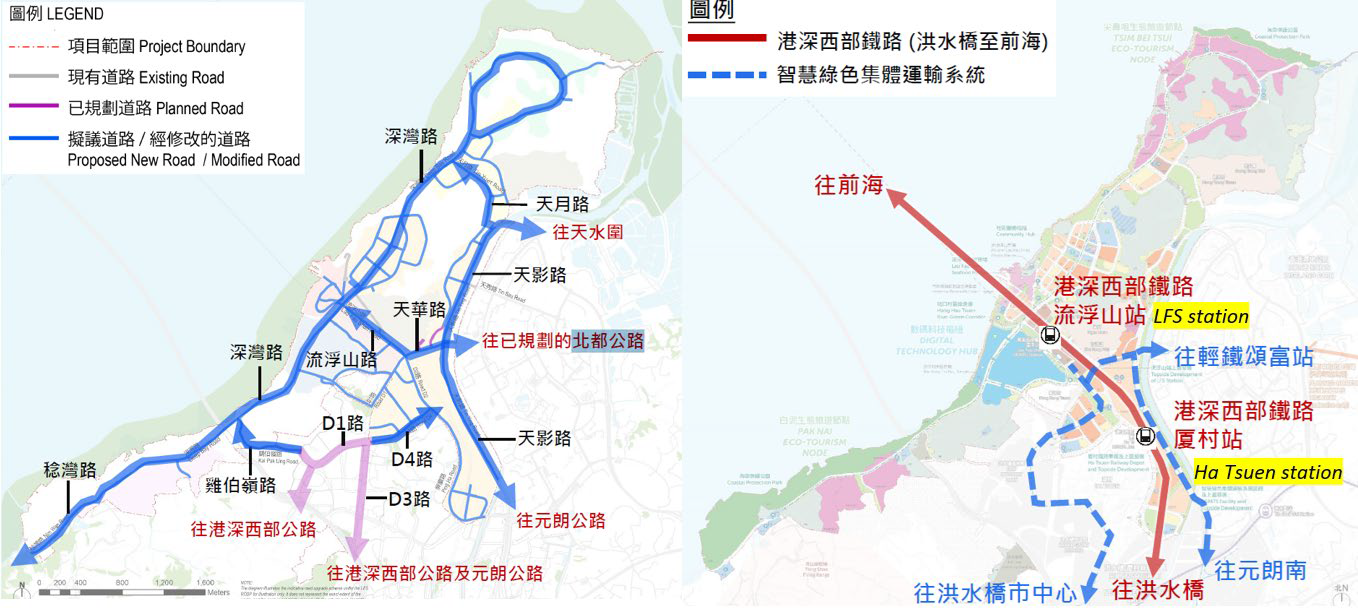
We anticipate that visitor numbers to the PN mudflats will increase substantially as a result of the proposed expansion of the Northern Metropolis Highway, Deep Bay Road, Nim Wan Road, and Kai Pak Ling Road (Fig 11), together with the completion of the LFS railway station (Fig 12), the development of cycling infrastructure, and the establishment of the proposed PN ecotourism node. While these initiatives may improve accessibility and recreational opportunities, they are also likely to increase the frequency of trampling, recreational harvesting, and other unmanaged visitor activities, posing direct threats to ecologically sensitive habitats and species, including seagrass beds, horseshoe crabs, and oyster reefs within the PN area.
According to AFCD's latest CPP proposal, the proposed Biodiversity Conservation Zone at PN covers approximately 90 hectares, representing around 4% of the total area of the proposed seaside CPP. Given the high ecological value and relative manageability of this area, the adoption of the Marine Park management model, with a strict "no take" and "habitat protection" zoning, would enable more intensive conservation measures, including habitat restoration, ecological monitoring, visitor management, and enforcement against illegal or environmentally damaging activities. Furthermore, enhanced protection and active management within this core conservation area could maximise the ecological spillover effect, whereby wildlife populations and ecosystem benefits extend beyond the Biodiversity Conservation Zone into the surrounding areas of the CPP. This would strengthen the overall ecological resilience and conservation value of the Deep Bay coastal ecosystem while balancing conservation objectives with sustainable ecotourism development.
Therefore, with the support of local PN villagers, we recommend that this "Biodiversity Conservation Zone" be designated as a Marine Park. Such a designation would ensure that the area is protected with proper enforcement under the Marine Parks Ordinance (Cap. 476) and subject to appropriate management, monitoring, and enforcement by the Agriculture, Fisheries and Conservation Department (AFCD). This recommendation also aligns with the Priority Action 1.4 under the updated BSAP on restoring degraded habitats (e.g. seagrass beds and oyster communities).
Climate resilience & Connectivity
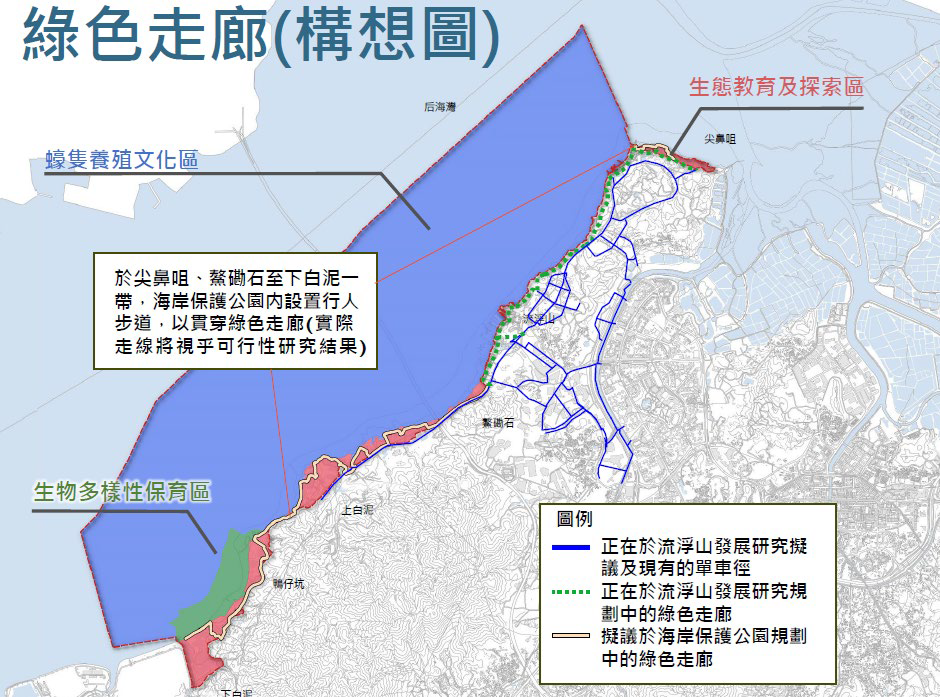
7. Fully Integrate Conservation Elements into the Proposed Landside CPP Covering the 12-km Coastal Stretch from TBT to LFS to HPN, or Enhance the Ecological Functions of the Proposed Green Corridor (綠色走廊)
It is widely recognised that the coastal areas above the high-tide mark—including land currently zoned as Coastal Protection Area (CPA), Green Belt (GB), and Agriculture (AGR)—play a vital role in maintaining the ecological health of Deep Bay. These areas serve multiple ecological functions, including buffering sensitive habitats from human disturbance, reducing sediment runoff that may degrade intertidal mudflats, providing natural flood-storage capacity, and mitigating surface water runoff into the bay.
The preservation of these areas and their existing land uses is therefore critical to maintaining the biodiversity and ecological carrying capacity of the proposed CPP. In addition, these natural and semi-natural landscapes can enhance the climate resilience of the coastline by reducing flood risks and protecting nearby development areas, including the proposed ecotourism nodes and digital technology hub, from the impacts of storm surges, extreme weather events, and sea-level rise.
We therefore recommend that stronger conservation measures be incorporated into the proposed landside CPP to encompass the entire 12-kilometre coastal corridor between TBT, LFS and HPN (Fig 13). Alternatively, the ecological functions and conservation objectives of the proposed Green Corridor ( 綠色走廊 ) should be significantly strengthened to ensure effective habitat connectivity, ecological buffering, and long-term ecosystem resilience to sea-level rise throughout the Deep Bay coastal landscape.
We acknowledge DEVB/NMCO's and CEDD's concerns regarding the development pressures and financial viability of the proposed project. As a pragmatic compromise, we recommend substantially strengthening the conservation functions of the proposed Green Corridor network and the landside CPP along the coastal belt extending from TBT to HPN. Specifically, the Green Corridors that traverse the development areas should be widened and designed to function as natural floodplains, thereby enhancing stormwater management, reducing flood risks, and providing urban cooling benefits for adjacent communities. Nature-based Solutions (NbS), bird-friendly design principles, and green building standards should be fully integrated into the planning and design of these corridors. Measures could include the establishment of urban mini-forests, native vegetation belts, ecological stepping stones, and other habitat features that enhance biodiversity and ecological connectivity. In this way, the Green Corridors could serve as effective ecological buffers between conservation areas and urban development zones.
In addition, developments located behind these Green Corridors should be subject to stringent environmental and planning controls. These should include stepped building-height restrictions to minimise visual and ecological impacts, as well as robust regulations on light pollution, noise pollution, wastewater discharge, and other disturbance sources that could adversely affect nearby sensitive habitats and wildlife.
Given the enhanced ecological and buffering functions proposed for the Green Corridor network, we further recommend that these areas be zoned under conservation-oriented land-use designations, such as Green Belt (GB) or other appropriate conservation zoning categories. This would help safeguard their long-term ecological value, minimise future development pressures, and ensure that they continue to perform their intended conservation, climate adaptation, and ecosystem-service functions.
8. Compensation wetland of the Deep Bay development should be located along the coast of Deep Bay
Compensation wetlands arising from the LFS, TBT, and PN development projects should be established along the Deep Bay coastline and, wherever possible, be ecologically connected to the proposed CPP. This would maximise the conservation benefits of the compensation measures while strengthening the ecological integrity, connectivity, and climate resilience of the wider Deep Bay ecosystem.
Rather than creating isolated compensation sites away from the impacted areas, priority should be given to restoring and enhancing degraded coastal habitats within the Deep Bay landscape. For example, underutilised or recreational fishponds near PN could be restored and managed as mangrove wetlands, tidal habitats, or other ecologically valuable wetland ecosystems. Such restoration would not only compensate for habitat losses associated with development but would also complement and support the adjacent Biodiversity Conservation Zone at PN by providing additional habitat, ecological buffers, and nursery grounds for wildlife.
Locating compensation wetlands along the Deep Bay coast would also enhance habitat connectivity between the CPP, existing wetlands, and other protected areas, thereby contributing to more effective ecosystem-based conservation and delivering greater long-term ecological outcomes than fragmented or geographically disconnected compensation sites.
9. Integration of sea level rise projection into planning for climate resilience
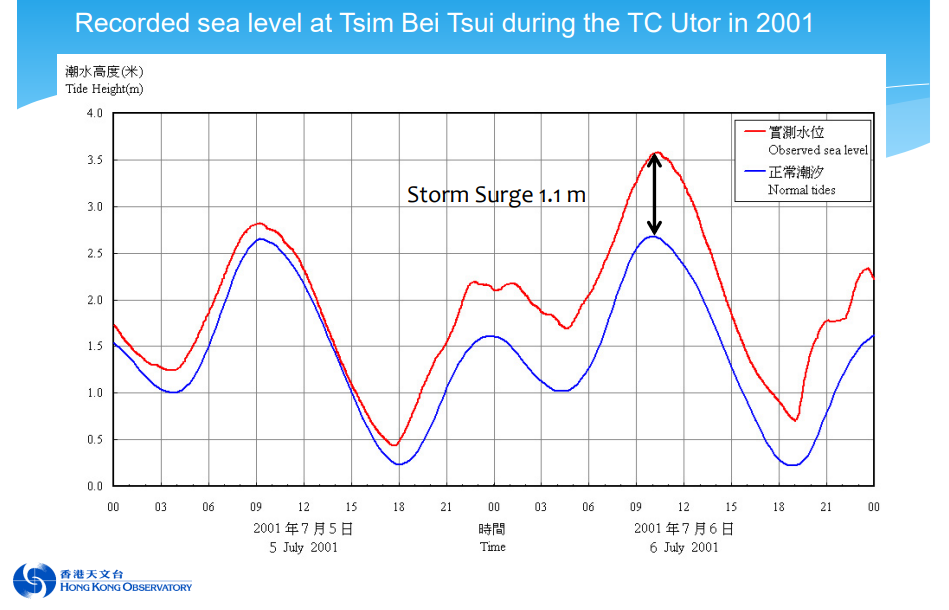
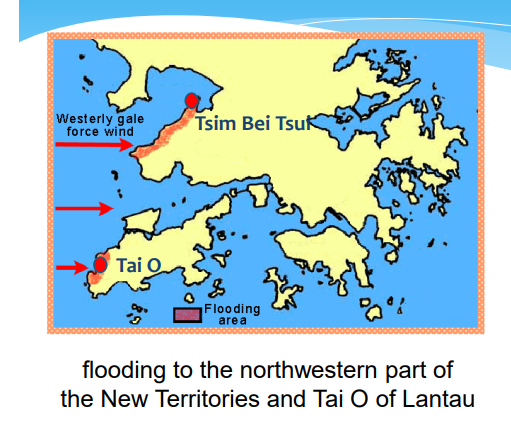
From HKO's record during Typhoon Utor in 200121, severe flooding occurred in the northwestern part of the New Territories. (Fig 14). The storm surge recorded at TBT was 1.1m, elevating sea-level to 3.6m. We recommend that both the CPP and the proposed development projects fully integrate projected sea-level-rise scenarios and climate resilience considerations into their planning, design, and management frameworks. Areas identified as being vulnerable to coastal inundation and flooding should be safeguarded and reserved for the implementation of Nature-based Solutions (NbS), such as natural floodplains, coastal wetlands, mangrove habitats, and other blue-green infrastructure that can enhance flood attenuation, shoreline protection, and ecosystem resilience.
In view of the expected impacts of coastal squeeze, whereby intertidal habitats become trapped between rising sea levels and fixed coastal infrastructure, sufficient landward buffer zones should be maintained along the coastline to allow mudflats, mangroves, saltmarshes, and other intertidal ecosystems to migrate inland over time. This adaptive approach would help preserve the ecological functions and biodiversity of Deep Bay under future climate change scenarios while maintaining the long-term effectiveness of the CPP.
Furthermore, we recommend that the planning and design of the proposed Green Corridor network be closely aligned with climate adaptation objectives. In addition to providing ecological connectivity, these corridors should function as climate-resilient landscape features that accommodate stormwater management, flood storage, urban cooling, and habitat migration. This recommendation should therefore be considered in conjunction with the proposal to strengthen the ecological functions of the Green Corridors. At a broader landscape scale, we also recommend adopting the IUCN Ridge-to-Reef approach to ecosystem restoration and management. This would involve restoring degraded hillside habitats and badlands around Yuen Tau Shan, Castle Peak, and Kin Shan into more mature and resilient forest ecosystems. Such restoration would improve watershed health, reduce soil erosion and sediment runoff into Deep Bay, enhance carbon sequestration, strengthen biodiversity conservation, and contribute to the overall ecological resilience of the Deep Bay catchment from upland areas to the coastal and marine environment.
Recommended usage permissions under CPP zoning
10. Landside CPP:
Land Resumption and Strengthened Management
As a significant proportion of the existing Coastal Protection Area (CPA) along the Deep Bay coastline is proposed to be rezoned for development within the TBT ecotourism node and the Sha Kong Tsuen Digital Technology Hub, only a limited area will remain and be incorporated into the proposed landside CPP. Given the substantial reduction in protected coastal land, we believe that the remaining CPP areas should be subject to a higher level of conservation protection and more active ecological restoration to ensure their long-term ecological value and effectiveness. In this context, with the support of local villagers, including Ha Tsuen Tang Yau Gong Tong(厦村鄧友恭堂), and given that majority of the proposed landside CPP areas are existing government lands, we recommend that the Government consider resuming the remaining, scattered private lands within the proposed landside CPP to facilitate more effective conservation management. Public ownership and management of these areas would provide greater certainty for long-term conservation planning, habitat restoration, ecological monitoring, visitor management, and enforcement. It would also help prevent incompatible land uses and future development pressures from undermining the conservation objectives of the CPP. Given the strategic importance of the proposed landside CPP in maintaining ecological connectivity, providing ecosystem services, and acting as a buffer between development areas and sensitive coastal habitats, stronger management measures should be adopted. These may include habitat restoration programmes, invasive species control, restrictions on incompatible activities, and enhanced monitoring and enforcement. Such measures would help ensure that the remaining landside CPP areas can effectively compensate for the loss of other protected coastal lands and continue to support the biodiversity, ecological integrity, and climate resilience of the wider Deep Bay ecosystem.
Recommended Usage Permissions for the Proposed Landside CPP Zoning
We recommend that the new land-use zoning for the proposed landside CPP adopt a planning framework that prioritises conservation while allowing only limited and compatible uses that support ecological management, sustainable oyster aquaculture, environmental education, and low-impact ecotourism.
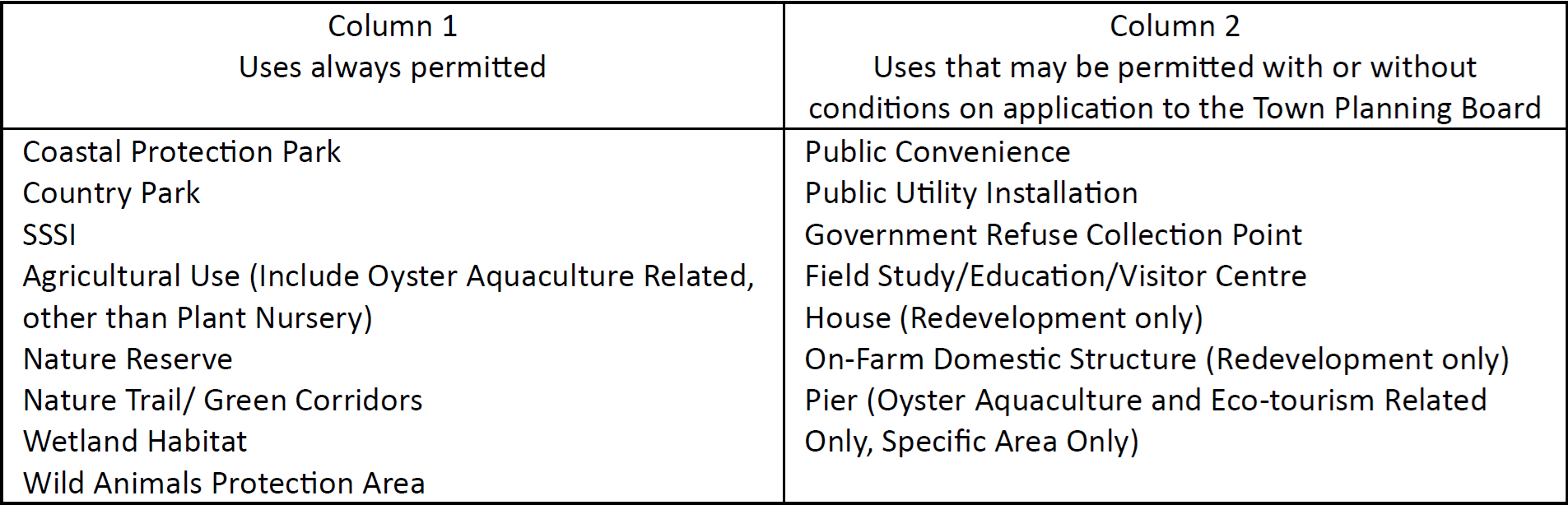
We believe that this planning framework would strike an appropriate balance between conservation and sustainable use. The uses listed under Column 1 are generally compatible with the conservation objectives of the landside CPP and should therefore be permitted as of right. In contrast, the uses listed under Column 2 should be subject to application and approval by the Town Planning Board to ensure that their scale, design, operation, and environmental impacts are consistent with the conservation objectives of the CPP.
Any redevelopment of existing village houses or structures should be restricted to replacement or redevelopment of existing structures, rather than facilitating new development. Similarly, the construction of piers should only be permitted where they directly support traditional oyster aquaculture activities, environmental education, or low-impact ecotourism, and only within carefully designated locations to minimise ecological disturbance. This approach would help safeguard the ecological integrity of the landside CPP while allowing for appropriate community, cultural, educational, and conservation-related activities that contribute to the long-term sustainability of Deep Bay.
Recommended planning intention
This zone is intended primarily for the establishment and management of Landside CPP to conserve, protect, restore, and enhance ecologically sensitive coastal and wetland habitats for the benefit of biodiversity, ecosystem services, and nature conservation. The zone aims to safeguard the ecological integrity, connectivity, and resilience of the Deep Bay coastal landscape while maintaining its environmental, cultural, and educational value.
The primary planning intention is to prevent incompatible development and minimise human disturbance that may adversely affect sensitive habitats, wildlife, and ecological functions. New development should generally be discouraged unless it is essential for habitat conservation, ecological restoration, environmental education, scientific research, sustainable management of natural resources, or low-impact nature-based recreation that directly supports the conservation objectives of the area. The zone is also intended to promote and facilitate scientific research, ecological monitoring, environmental education, and public awareness of wetland ecosystems, migratory waterbirds, oyster aquaculture heritage, and other natural assets of Deep Bay. Where appropriate, active habitat management and restoration measures should be undertaken to improve biodiversity, strengthen ecological connectivity, enhance climate resilience, and support the long-term conservation of the area's natural and cultural heritage.
Recommended planning remark
(a) No redevelopment, including alteration and/or modification, of an existing house shall result in a total redevelopment in excess of the plot ratio, site coverage and height of the house which was in existence on the date of the first publication in the Gazette of the notice of the Development Permission Area Plan.
(b) Any filling of land/pond or excavation of land, including that to effect a change of use to any of those specified in Columns 1 and 2 above or the uses or developments always permitted under the covering Notes, shall not be undertaken or continued on or after the date of the first publication in the Gazette of the notice of the Development Permission Area Plan without the permission from the Town Planning Board under section 16 of the Town Planning Ordinance.
(c) Any development, redevelopment, land-use change, or site formation works permitted within the zone shall demonstrate that there will be no significant adverse impact on wetland habitats, ecological connectivity, hydrology, water quality, landscape character, or the conservation objectives of the CPP.
(d) Any diversion of streams or filling of pond, including that to effect a change of use to any of those specified in Columns 1 and 2 above or the uses or developments always permitted under the covering Notes (except public works co-ordinated or implemented by Government, and maintenance, repair or rebuilding works), shall not be undertaken or continued on or after the date of the first publication in the Gazette of the notice of the draft development permission area plan without the permission from the Town Planning Board under section 16 of the Town Planning Ordinance.
11. Seaside CPP:
Maintain a balance between Conservation and Oyster farming activities
We have received concerns from local oyster farmers regarding the overlap between existing oyster rafts and oyster farming plots and the proposed "Biodiversity Conservation Zone" within the seaside CPP. Oyster farmers have also expressed concerns that the proposed zoning and management framework of 'Oyster Culture Heritage Zone' may inadvertently restrict the redevelopment and maintenance of existing piers, the establishment of facilities for repairing oyster rafts, and the continued disposal and collection of discarded oyster shells, which are essential to the operation and sustainability of the oyster farming industry. We suggest that the government take reference on the current fisheries management policies in marine parks22 (i.e. permit system), for the proposed CPP "Biodiversity Conservation Zone", whereby the Director of AFCD can grant a CPP oyster farming and harvesting permit to a bona fide oyster farmer and a person who ordinarily resides near the CPP.
Recognising that oyster farming has long been an integral component of the ecological, cultural, and economic landscape of Deep Bay, we believe that the management of the seaside CPP should seek to achieve an appropriate balance between conservation objectives and the continuation of sustainable oyster aquaculture practices. Well-managed oyster farming can coexist with conservation goals and, in many cases, contribute positively to ecosystem health through the maintenance of oyster reefs, improvement of water quality, and preservation of traditional cultural heritage. Therefore, we recommend that the proposed land-use zoning and management framework for the seaside CPP accommodate activities that are compatible with both conservation and sustainable oyster farming. The objective should be to meet conservation needs while minimising unnecessary impacts on the livelihoods, cultural practices, and long-term viability of the local oyster farming community.
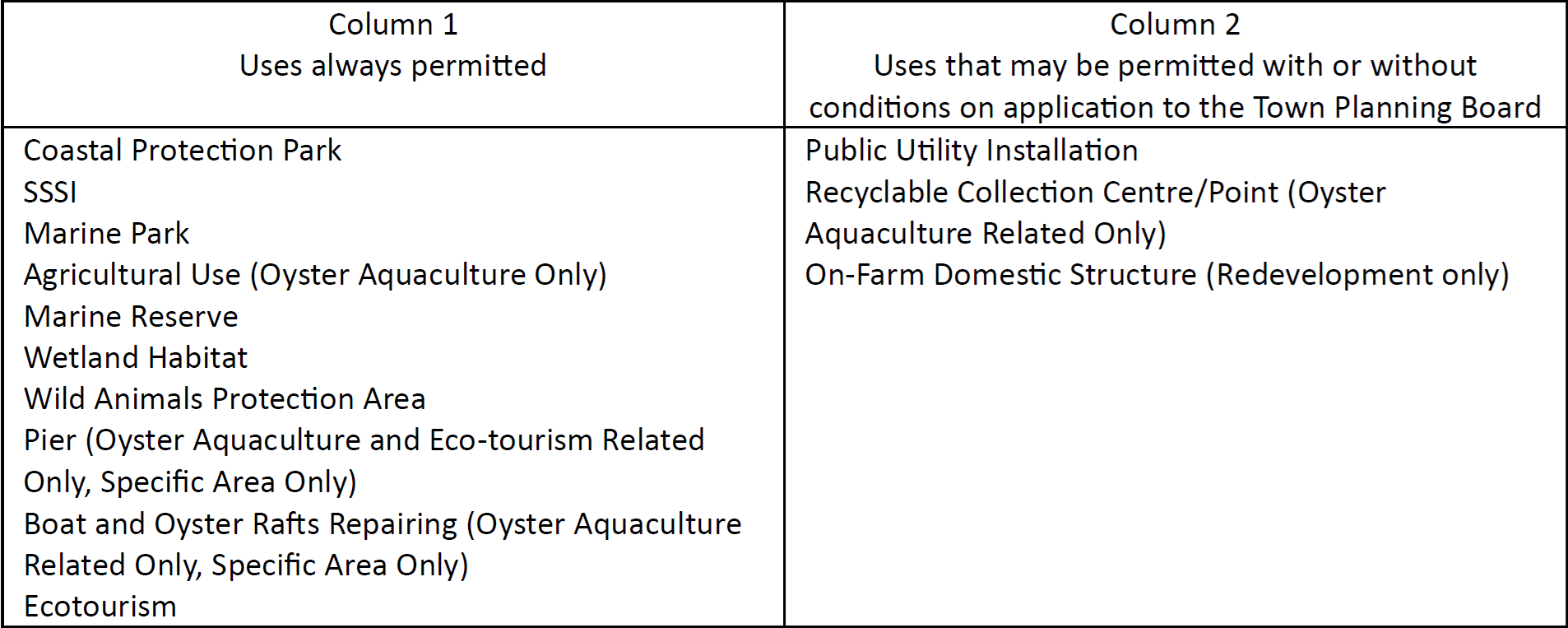
Accordingly, we recommend that the following uses and activities be permitted or appropriately provided for within the proposed seaside CPP zoning framework. This approach would help ensure the continued operation of traditional oyster farming practices while safeguarding the ecological integrity and conservation objectives of the CPP:
Recommended Usage Permissions for the Proposed Seaside CPP Zoning
Recommended planning intention
This zone is intended primarily for the establishment and management of Seaside CPP to conserve, protect, restore, and enhance the ecologically sensitive coastal, intertidal, and marine habitats of Deep Bay. The zone aims to support biodiversity conservation, strengthen ecological connectivity, promote nature conservation, enhance the sustainability of oyster aquaculture, and preserve the cultural heritage associated with traditional oyster farming.
The primary planning intention is to discourage new development unless it is essential for the conservation and management of ecological resources, the maintenance of the ecological integrity of wetland and marine habitats, the sustainable operation of oyster aquaculture activities, or the provision of conservation-related facilities. Priority should be given to activities that contribute to habitat protection, ecological restoration, environmental education, scientific research, and the long-term sustainability of the Deep Bay ecosystem. The zone is also intended to promote and facilitate scientific research, ecological monitoring, environmental education, and innovation in sustainable oyster aquaculture practices, while supporting the preservation and transmission of traditional oyster farming knowledge, skills, and cultural values for future generations.
Recommended planning remark
(a) No redevelopment, including alteration and/or modification, of an existing house shall result in a total redevelopment in excess of the plot ratio, site coverage and height of the house which was in existence on the date of the first publication in the Gazette of the notice of the Development Permission Area Plan.
(b) Any filling of land/pond or excavation of land or change of seascape, including that to effect a change of use to any of those specified in Columns 1 and 2 above or the uses or developments always permitted under the covering Notes, shall not be undertaken or continued on or after the date of the first publication in the Gazette of the notice of the Development Permission Area Plan without the permission from the Town Planning Board under section 16 of the Town Planning Ordinance.
Ecotourism development and carrying capacity
12. Ensure the eco-tourism planning and development follows international standards and ensure negative impact to the nature is minimized
We would like to reiterate that the eco-tourism proposed in the CPP and development areas should follow the international standards on eco-tourism, e.g. UN Tourism, which define and emphasize ecotourism as:
- All nature-based forms of tourism in which the main motivation of the tourists is the observation and appreciation of nature as well as the traditional cultures prevailing in natural areas.
- It contains educational and interpretation features.
- It is generally, but not exclusively, organised by specialised tour operators for small groups. Service provider partners at the destinations tend to be small, locally owned businesses.
- It minimises negative impacts upon the natural and socio-cultural environment.
- It supports the maintenance of natural areas which are used as ecotourism attractions by generating economic benefits for host communities, organisations and authorities managing natural areas with conservation purposes; providing alternative employment and income opportunities for local communities; and Increasing awareness towards the conservation of natural and cultural assets, both among locals and tourists.
13. Conduct a Holistic Carrying Capacity Assessment and Implement Access Management Measures for Different CPP Zones
We recommend conducting a comprehensive carrying capacity assessment for the various zones within the CPP to ensure that ecotourism and recreational activities can be developed and managed sustainably. The assessment should adopt a holistic approach and consider multiple dimensions of carrying capacity, including:
• Ecological carrying capacity, such as habitat sensitivity, wildlife disturbance thresholds, and ecosystem resilience;
• Physical carrying capacity, including the capacity of boardwalks, hiking trails, viewing platforms, public transport facilities, and public amenities such as toilets;
• Social carrying capacity, including local community acceptance, visitor experience, and potential conflicts among user groups; and
• Managerial carrying capacity, including road capacity, parking availability, accommodation resources, enforcement capability, and overall site management requirements)23.
The findings of this assessment should then be used to establish appropriate visitor limits and management measures for different areas of the CPP according to their ecological sensitivity and infrastructure capacity. For example, highly sensitive conservation areas could be subject to stricter access controls, while less sensitive areas could accommodate a greater number of visitors. To ensure that visitation remains within sustainable limits, we recommend considering a range of visitor management tools, including entrance fees, permit systems for private vehicle access, advance booking systems, timed-entry arrangements, and visitor quotas where appropriate. Such measures would help regulate visitor numbers, minimise ecological disturbance, and improve the overall visitor experience. Permit-based systems for regulating private vehicle access are already well established in Hong Kong. For example, vehicle restrictions are enforced at the Pak Tam Chung checkpoint in Sai Kung for access to the country park area, and in South Lantau beyond Shek Mun Kap. Similarly, charging visitors for site access is not unprecedented; the Hong Kong Wetland Park, which is also managed by the Agriculture, Fisheries and Conservation Department (AFCD), operates an admission fee system for visitors.
In addition, we recommend establishing a CPP management fee for visitors arriving and departing via the future LFS railway station. Revenue generated through this mechanism could provide a dedicated and sustainable funding source to support the long-term management, effective enforcement, conservation, monitoring, interpretation, and maintenance of the CPP.
Long-term ecological monitoring
14. Continue to Address Knowledge Gaps in Under-Surveyed Coastal Areas
We recommend that AFCD and the project consultants continue their efforts to ensure the collection of comprehensive and consistent ecological data across the entire Deep Bay coastline. We understand that certain intertidal areas, such as Sheung Pak Nai and Sha Kiu Tsuen, are particularly challenging to survey due to their soft and fine sediment conditions, which can limit accessibility and field investigation efforts.
Nevertheless, it would be highly beneficial to devote additional resources and fieldwork to these under-surveyed areas to establish a more complete ecological baseline. Priority should be given to improving our understanding of key ecological indicators, including horseshoe crab populations, the extent and condition of seagrass beds, benthic communities, and the flight paths and habitat use of migratory waterbirds. Robust baseline data are essential to ensure that the CPP is planned and managed effectively, that ecologically important areas are appropriately protected, and that any potential impacts arising from nearby developments can be accurately assessed and adequately mitigated. Furthermore, we recommend exploring the use of innovative monitoring technologies to complement traditional field surveys. These may include AI-enabled camera systems, remote sensing technologies, unmanned aerial vehicles (drones), and environmental DNA (eDNA) analysis to improve data collection efficiency and coverage. The application of such technologies could help overcome access constraints in difficult-to-survey areas, support long-term ecological monitoring programmes, and provide valuable information for the adaptive management of the CPP and the wider Deep Bay ecosystem.
15. Develop a Deep Bay Health Index for Long-Term Monitoring and Adaptive Management of the CPP
Taking reference from good monitoring framework examples globally24 25, we further recommend the development of a Deep Bay Health Index (DBHI) as a comprehensive framework for long-term ecological monitoring, performance evaluation, and adaptive management of the CPP and the wider Deep Bay ecosystem. Given the ecological complexity of Deep Bay and the increasing pressures arising from urban development, climate change, tourism, and other human activities, a scientifically robust and easily communicable indicator system would provide an effective mechanism for tracking changes in ecosystem condition over time.
The Deep Bay Health Index should integrate multiple ecological, environmental, social, and management indicators into a standardized assessment framework. Potential indicators could include:
• Biodiversity indicators, such as populations of horseshoe crabs, migratory waterbirds, mangrove-associated fauna, and species of conservation concern;
• Habitat indicators, including the extent and condition of mudflats, seagrass beds, mangroves, oyster reefs, and coastal wetlands;
• Water quality indicators, such as dissolved oxygen, nutrient levels, turbidity, salinity, and pollution concentrations;
• Ecosystem function indicators, including carbon sequestration, shoreline stabilization, fisheries productivity, and ecological connectivity;
• Climate resilience indicators, such as habitat migration, flood buffering capacity, and the impacts of sea-level rise;
• Sustainable use indicators, including visitor numbers, ecotourism intensity, compliance rates, and the sustainability of oyster aquaculture practices; and
• Community engagement indicators, including participation in conservation programmes, educational activities, and stakeholder satisfaction.
The Index should be regularly updated and reported annually, providing a transparent and evidence-based assessment of the CPP's conservation performance. The results could be used to inform management decisions, identify emerging threats, prioritise restoration actions, and evaluate the effectiveness of policies and conservation investments. Importantly, the Deep Bay Health Index should adopt a "ridge-to-reef" perspective, assessing not only the condition of the proposed CPP but also the broader ecological processes linking upland catchments, rivers, coastal wetlands, intertidal habitats, and marine environments. This would enable government departments, researchers, local communities, and other stakeholders to better understand cumulative impacts and ecosystem trends across the entire Deep Bay landscape.
In addition, the Index could serve as a key performance indicator for the proposed conservation finance mechanism, allowing progress to be tracked against measurable ecological outcomes and demonstrating the return on conservation investments over time. By establishing a scientifically credible, publicly accessible, and regularly updated Deep Bay Health Index, Hong Kong could create a model for integrated coastal ecosystem management and adaptive conservation planning in the Greater Bay Area and beyond.
Sustainable conservation financing
16. Establish a Sustainable conservation finance mechanism for CPP
Given the CPP's exceptional biodiversity value and large scale—covering approximately 2,350 hectares, which is around nine times the size of Hoi Ha Wan Marine Park—its operational and management costs are expected to be substantial. These costs are likely to include active habitat restoration and management, beach and coastline clean-up, patrolling and enforcement, ecological monitoring, scientific research, monitoring of species of conservation concern, engagement with local communities and oyster farmers, visitor management, environmental education, and public outreach programmes. The long-term success of the CPP will therefore depend not only on strong planning and management frameworks, but also on the establishment of a robust, sustainable, and diversified conservation finance mechanism capable of supporting these ongoing activities. Without a dedicated funding source, it may be challenging to maintain the high level of conservation management required to protect and enhance the ecological integrity of Deep Bay.
We therefore recommend that the Government, carry out a comprehensive conservation finance strategy for the CPP and the wider Deep Bay ecosystem. Potential funding sources could include ecotourism-related revenue, visitor entrance fees, conservation management fees associated with access via the future LFS railway station, public-private partnerships, corporate sponsorships, biodiversity-related funding mechanisms, environmental trust funds, and other innovative conservation finance instruments. Such a diversified approach would help ensure the long-term financial sustainability of the CPP while reducing reliance on recurrent public expenditure. In addition, a proportion of the revenue generated from ecotourism and nature-based recreational activities within the CPP should be ring-fenced and reinvested directly into habitat restoration, biodiversity conservation, environmental monitoring, community engagement, and support for sustainable oyster aquaculture. This would establish a self-reinforcing model in which visitors contribute directly to the conservation of the natural assets they enjoy. This aligns with the Priority Action 2.4 under the updated BSAP on diversifying financial resources to support nature conservation and sustainable development, and developing an effective platform to mobilise resources from private and philanthropic sources toward nature-positive projects in Hong Kong.
Furthermore, conservation finance mechanisms should be designed to support local communities and traditional oyster-farming operators as key partners in the management of Deep Bay. Appropriate funding streams could help facilitate community-based ecotourism, habitat stewardship programmes, cultural heritage preservation, and capacity-building initiatives, thereby creating shared economic, social, and conservation benefits.
As a public good, the CPP should be financed by those who benefit directly from its facilities and services. Identified key benefits and beneficiaries include:
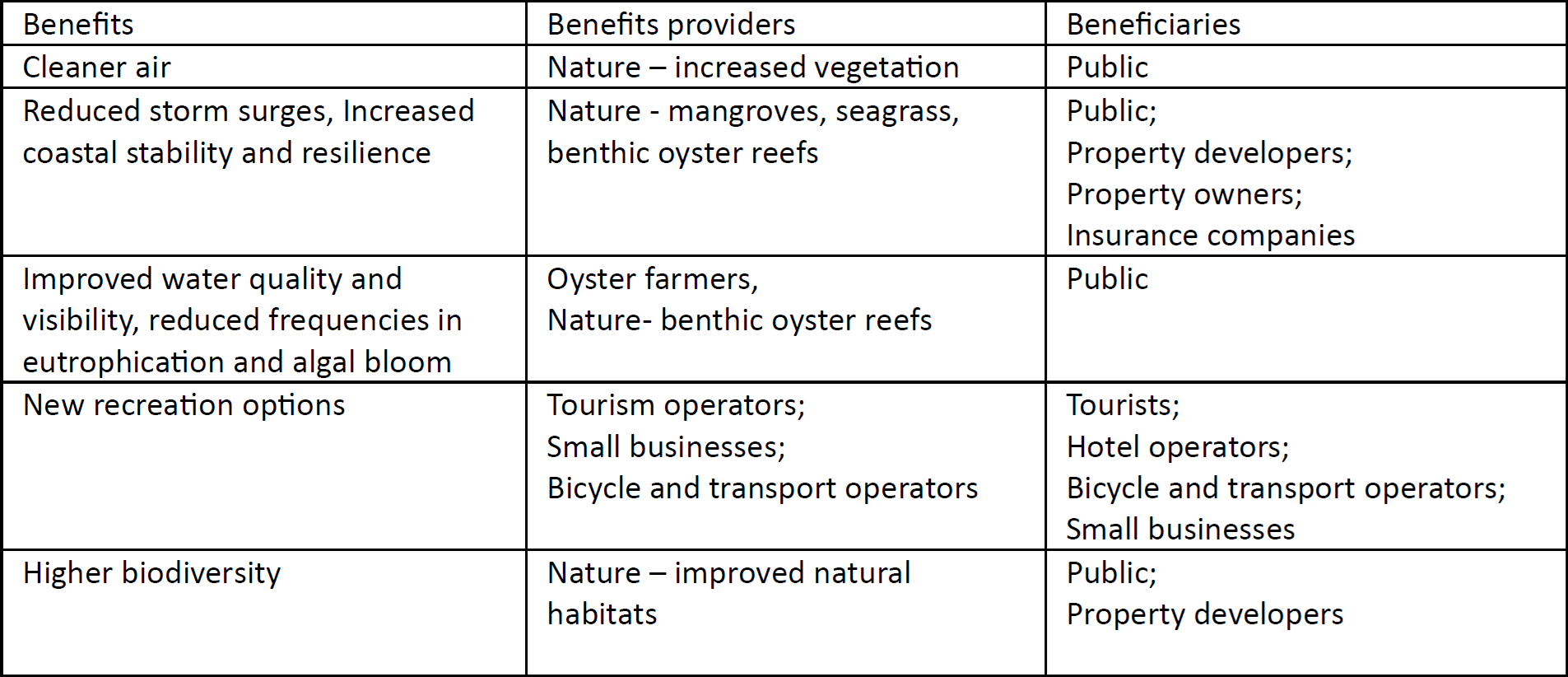
At present, Hong Kong's conservation finance largely depends on direct government grants, such as the Public-Private Partnership (PPP) and Management Agreement schemes. However, this model is not financially sustainable in the long run because it relies heavily on government funding and frames nature as a capital drain.
We recommend reframing nature as an investable asset through implementing conservation trust funds and sustainable finance mechanisms.
To ensure long-term financial sustainability, contributions should be structured into two distinct components: capital expenditure (CAPEX) for initial development, and operational expenditure (OPEX) for ongoing management and maintenance.
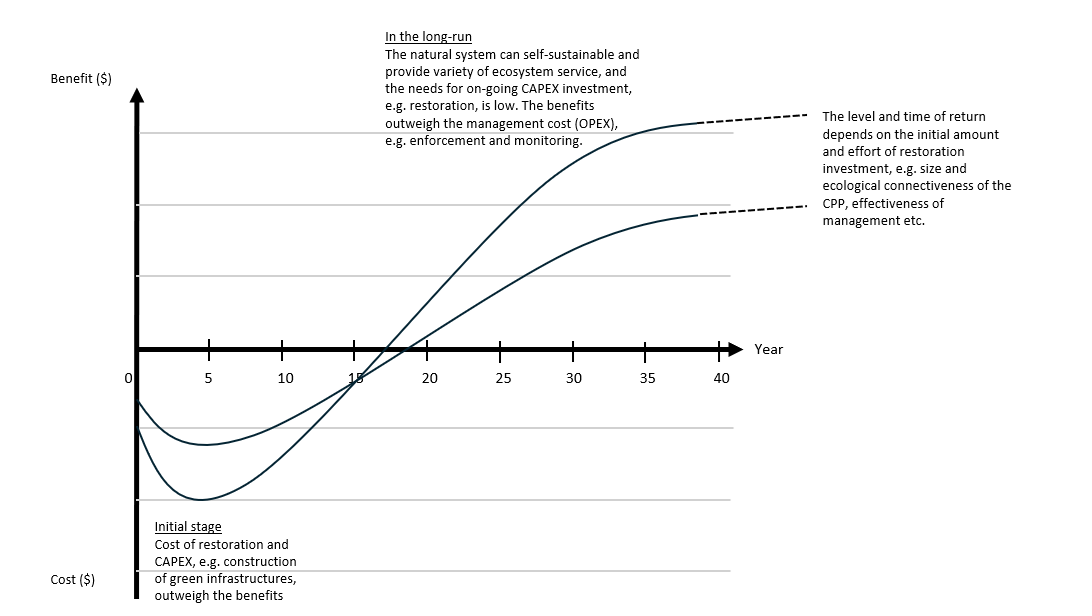
For the initial CAPEX, we recommend that the government assume responsibility for the one-off capital expenditure required during the CPP's construction phase. This would cover essential costs such as the construction of the Green Corridor, visitor and educational signage, wayfinding posts, visitor centers, land resumption, if needed, and the establishment of compensation for the wetlands.
Hong Kong's green and sustainable bond programme (GSBP) is the largest in Asia and one of the most active globally. It already includes "Nature Conservation & Biodiversity" as an eligible category for the bond proceeds, providing a strong platform from which to issue a nature bond for the CAPEX phase of CPP construction.
The proposed ecotourism and oyster-farming activities could generate revenue while complementing existing government initiatives. For example, oyster products from the CPP could be proactively integrated into the Hong Kong Harvest brand, which can promote high-quality local goods to tourists at a premium. Additionally, valuing ecosystem services from the restoration projects is another source of income. Looking across the Shenzhen Bay, in 2023, blue carbon credits generated from the 126 hectares of mangroves at Futian Mangrove Nature Reserve were sold at 485 RMB per ton. Over the period 2010 - 2020, these mangroves sequestered 3,875 tons of carbon, resulting in a total transaction value of approximately 1.88 million RMB. This example demonstrates the tangible financial value of coastal ecosystem services, and how mangrove restoration can be monetised through carbon markets, creating a direct revenue stream for ecological protection. For Hong Kong, CPP presents a great opportunity for coastal conservation to complement Hong Kong's carbon policy and financial hub positioning.
To secure long term OPEX of the CPP, we recommend setting up a CPP Conservation Trust Fund (CTF). This fund would be financed by the CPP's beneficiaries through endowments and further grown by income generated within the CPP and surrounding developments, ensuring that those who gain from the park's facilities and ecosystem services contribute to its sustainable management over the long term.
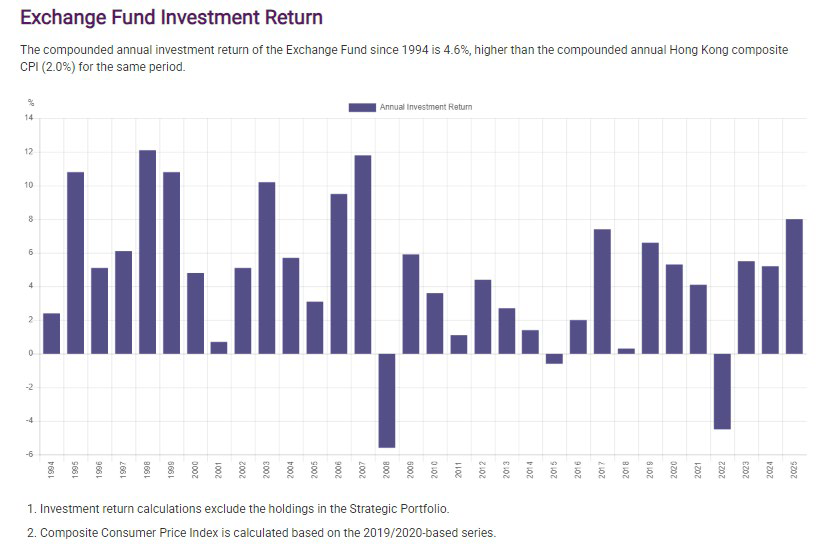
Hong Kong already operates conservation trust funds that provide useful precedents. For example, the Environmental Conservation Fund (ECF) is managed through Hong Kong Monetary Authority (HKMA)26, which is linked to the performance of the Hong Kong Exchange Fund. By reinvesting its endowment, the ECF achieves an average annual return of around 4.6%27 (Fig16), which is then used to finance conservation projects across the Territory. This precedent shows that a CPP CTF could realistically generate stable returns if structured with a similar investment model. While the ECF receives injections from the government and supports broader environmental initiatives, a CPP specific trust fund would concentrate on location-based coastal conservation and become financially self-sustaining by having its beneficiaries directly engaged in contributing to operation and management.
The CTF would serve as a central body to pool and reinvest income generated from the CPP and surrounding areas. This approach allows a share of area-generated revenue to be ring-fenced for conservation, helping to offset OPEX costs and reducing the government's financial burden. As an example, the CPP CTF could adopt the following illustrative allocation framework:
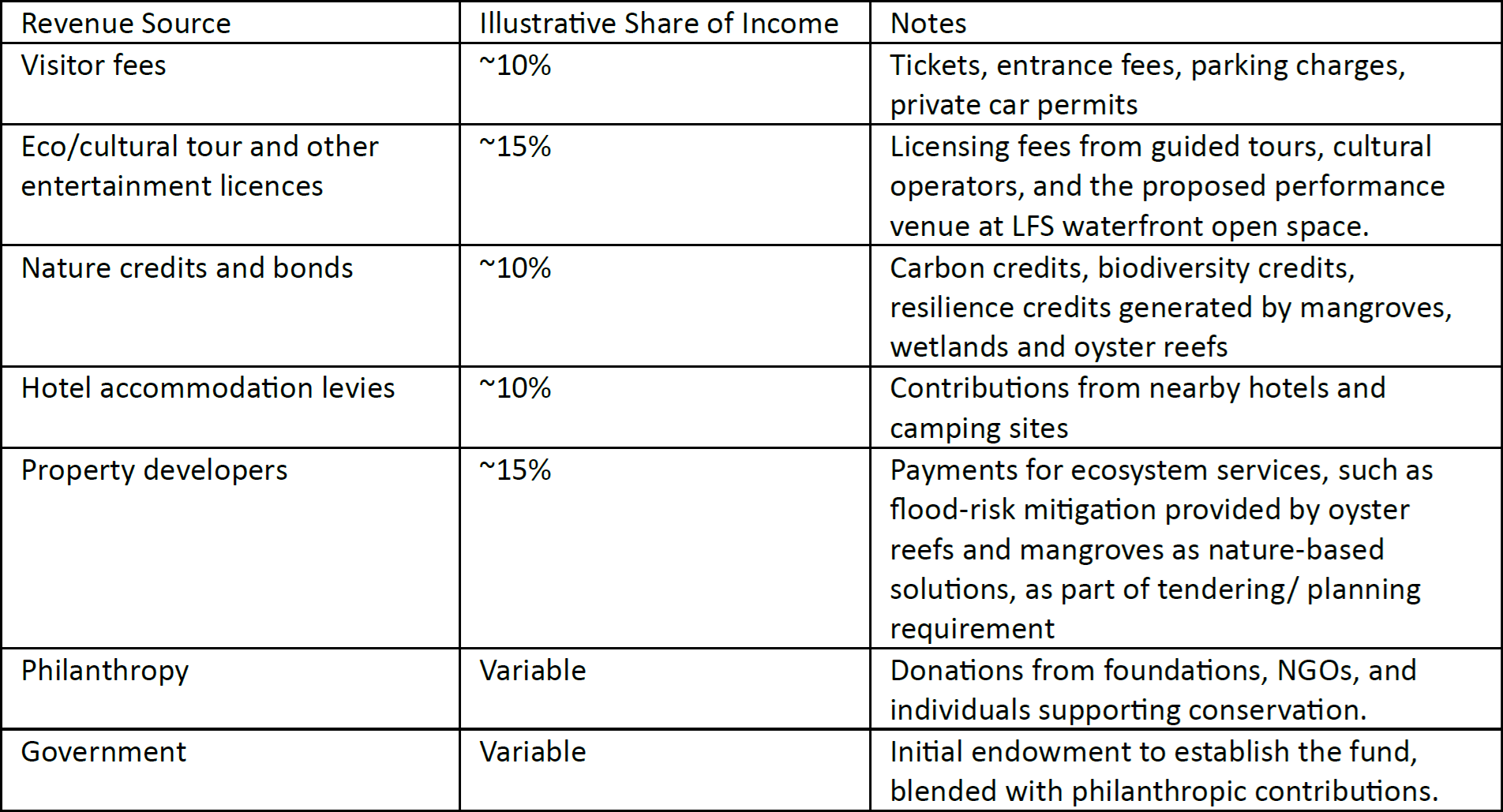
The fund would require a blend of government seed capital and philanthropic contributions to create an initial endowment. Once established, it will be grown further through ongoing philanthropic donations, corporate ESG contributions, and potential crowdfunding, in addition to revenues shown above. The CTF will be independently
managed to generate investment returns which are channelled back to the CPP for ongoing conservation efforts, strengthening long-term sustainability of both the CPP and the CTF.
This proposed CPP CTF should work closely with the CPP advisory committee consisting of representatives from government, local communities, oyster farmers, ecologists, green groups, researchers, tour operators etc., to decide how the CTF funds are allocated.
Inclusive governance
17. Promote inclusive community-based conservation for CPP and set up a CPP management committee
We recommend setting up a CPP advisory committee that consisting of representatives from government, indigenous communities, oyster farmers, ecologists, green groups, academics, researchers, tour operators etc., to decide on detail CPP management approach, best management practice for sustainable farming, ecotourism blueprint, conservation prioritizes and finance strategies etc. that fit into the local communities' needs, cultures and expectations. And this can also ensure transparency decision process. Authorized representatives by the committee, e.g. villagers, farmers and conservationist etc., can be empowered and trained up to take up the patrolling duties to reduce government's manpower on enforcement while increase the enforcement efficiency and community well-being, e.g. social learning, nature stewardship responsibility and cultural preservation.
We believe that careful consideration and adoption of the above recommendations will enable Hong Kong to maximise the economic, social, and conservation benefits arising from the Deep Bay development project. More importantly, these measures would help ensure that the project serves as a flagship example of ecological civilisation development within the Northern Metropolis, demonstrating how conservation and sustainable development can be integrated to achieve long-term benefits for both people and nature.
We look forward to continued dialogue and collaboration with the Government and other stakeholders in refining and implementing the CPP proposal. If you have any questions or require further clarification regarding the recommendations set out in this submission, please feel free to contact Mr. Tom Chan, Community Conservation Manager of The Nature Conservancy (TNC).
Yours Sincerely,
ADM Capital Foundation
Civic Exchange
Designing Hong Kong Limited
Green Power
Hong Kong Marine Protection Alliance
Hong Kong Seagrass Restoration Association
The Hong Kong Bird Watching Society
The Hong Kong Countryside Foundation
The Nature Conservancy Hong Kong Foundation Ltd
World Wide Fund for Nature Hong Kong
Prof. Bayden D. Russell of The University of Hong Kong
Prof. Cindy Lam of The Hong Kong University of Science and Technology
Prof. Cynthia Yau of The Hong Kong University of Science and Technology
Prof. JD GAITÁN -ESPITIA of The University of Hong Kong
Prof. S.G. Cheung of City University of Hong Kong
Prof. Tommy Hui of Lingnan University
Dr. Christelle Not of The University of Hong Kong
Dr. Connie Ng of Hong Kong Maritime Museum

Yours Sincerely,
ADM Capital Foundation
Civic Exchange
Designing Hong Kong Limited
Green Power
Hong Kong Marine Protection Alliance
Hong Kong Seagrass Restoration Association
The Hong Kong Bird Watching Society
The Hong Kong Countryside Foundation
The Nature Conservancy Hong Kong Foundation Ltd
World Wide Fund for Nature Hong Kong
Prof. Bayden D. Russell of The University of Hong Kong
Prof. Cindy Lam of The Hong Kong University of Science and Technology
Prof. Cynthia Yau of The Hong Kong University of Science and Technology
Prof. JD GAITÁN -ESPITIA of The University of Hong Kong
Prof. S.G. Cheung of City University of Hong Kong
Prof. Tommy Hui of Lingnan University
Dr. Christelle Not of The University of Hong Kong
Dr. Connie Ng of Hong Kong Maritime Museum
1 https://www.tnc.org.hk/content/dam/tnc/nature/en/photos/hong-kong/TNC-and-oyster-farming-association-joint-submission-for-expansion-of-seaside-CPP-1.pdf
2 https://www.tnc.org.hk/content/dam/tnc/nature/en/photos/hong-kong/joint-green-group-submission-on-CPP_OCT2025-v10.pdf
3 https://www.afcd.gov.hk/english/conservation/con_mar/con_mar_cpp/con_mar_cpp.html
4 https://www.afcd.gov.hk/english/conservation/con_mar/con_mar_cpp/files/CPP_Concept_and_Management_Plan_Eng.pdf
5 https://www.tnc.org.hk/content/dam/tnc/nature/en/photos/hong-kong/TNC_recommendations_f3_5_c.pdf
6 https://www.hk01.com/01%E5%81%B5%E6%9F%A5/228043/%E4%B8%8B%E7%99%BD%E6%B3%A5%E6%9F%93%E9%BB%91-%E6%96%B0%E8%A5%BF%E5%A0%86%E5%A1%AB%E5%8D%80%E5%9E%83%E5%9C%BE%E6%B1%81%E7%9B%B4%E5%80%92%E6%97%A5%E8%90%BD%E5%8B%9D%E5%9C%B0-%E7%92%B0%E4%BF%9D%E7%BD%B2-%E6%9C%83%E8%80%83%E6%85%AE%E6%AA%A2%E6%8E%A7
7 https://www.info.gov.hk/gia/general/202607/09/P2026070900840.htm?fontSize=10
8 https://www.mfa.gov.cn/eng/wjb/zzjg_663340/tyfls_665260/tfsxw_665262/202406/t20240606_11405496.html
9 https://gb.china-embassy.gov.cn/eng/PressandMedia/Spokepersons/202110/t20211015_9547433.htm
10 https://www.pland.gov.hk/file/planning_studies/comp_s/hk2030plus/document/Conceptual%20Spatial%20Framework_Eng.pdf
11 https://www.policyaddress.gov.hk/2021/eng/pdf/publications/Northern/Northern-Metropolis-Development-Strategy-Report.pdf
12 https://www.afcd.gov.hk/english/conservation/Con_hkbsap/bsap_resources_references/files/HKNbSDG.pdf
13 https://www.afcd.gov.hk/english/conservation/Con_hkbsap/updated_bsap/files/HKBSAP2035EN.pdf
14 https://www.epd.gov.hk/epd/english/boards/advisory_council/ace_paper0041.html
15 https://www.info.gov.hk/gia/general/202103/24/P2021032300585p.htm
16 https://www.info.gov.hk/gia/general/202103/24/P2021032300585.htm
17 https://www.hkbws.org.hk/archive/IBA/iba1.html
18《從「蠔」說起:透過口述歷史輯錄十三位蠔民的非遺傳承對談》- TNC's publication on May 2026
19 https://www.afcd.gov.hk/english/conservation/con_wet/con_wet_look_des/con_wet_look_des.html
20 https://www.pland.gov.hk/file/resources/sssi/pdf/plan41.pdf
21 https://www.typhooncommittee.org/docs/roving_seminar/2016/2016_C1.pdf
22 https://www.afcd.gov.hk/english/country/cou_vis/cou_vis_mar/cou_vis_mar_mpp/fisheries_management.html
23 Unpublished report: 'Beyond Nature Tourism: Building High-Integrity Ecotourism Through Nature-based Solutions' from Civic Exchange
24 https://gpcl.com.au/environment/ecosystem-research/
25 https://ecoreportcard.org/report-cards/chesapeake-bay/bay-health/
26 https://www.ecf.gov.hk/en/about-us/
27 https://www.hkma.gov.hk/eng/key-functions/reserves-management/investment-performance/