The Bearded Plant - Loureir Elaeagnus


Loureir Elaeagnus (Elaeagnus loureirii) got its Chinese name as Lo's Beard (羅氏胡頽子) because the silky silvery hair covering its fruits bears resemblance to a beard and Wu (胡) in Chinese means beard. It is not picky about soil types and sun exposure, allowing it to distribute widely and becoming prevalent in Hong Kong countryside. Being short and creeping low sometimes, it is easily overlooked. It is coming into bloom now, so look for its charming bell-shaped flowers in the country parks.
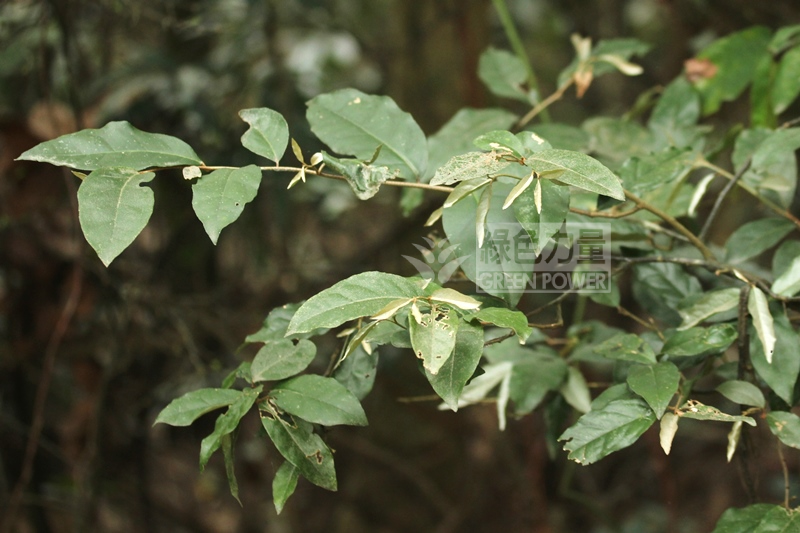
Loureir Elaeagnus is a commonplace plant native to Hong Kong and thrives in full sun, light shade or the undergrowth. It is a perennial herb or climbing subshrub which can grow to a height of one to two metres or spread like a creeper. The small widespread plant often goes unnoticed but has unusual leaves, flowers and fruits upon closer examination.
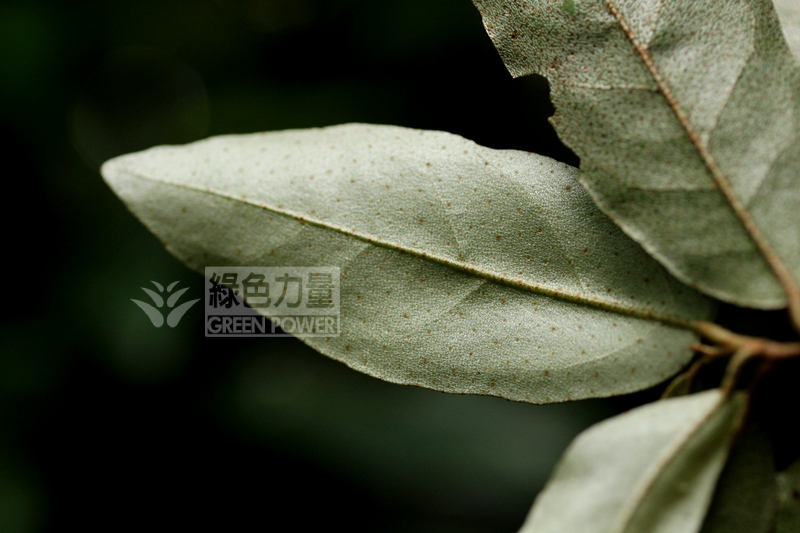
Its young shoots, petioles, leaves undersides and fruits are mottled by specks of rusty-brown appressed scales acting like body armour against insect bites, a common protection strategy adopted by plants. The rusty colouration on its surfaces reduces sunlight intensity through reflection, thus reducing transpiration.
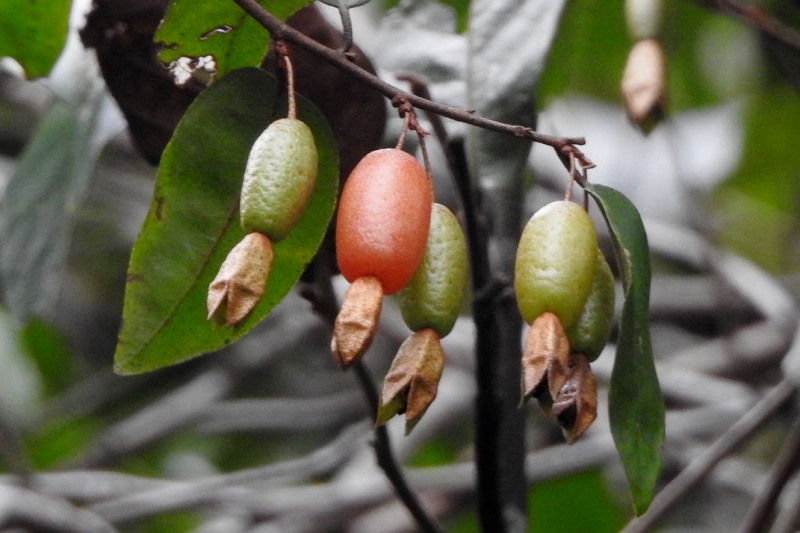
Its ellipsoidal fruits ripen between April and May and turn from green to bright orange-red. The fleshy fruits hanging down from slender pedicels have a sweet and sour taste. They are great treats to birds and little mammals.
Chinese Naming of Elaeagnaceae
Loureir Elaeagnus, named Lo's Wu Tui Tsi (羅氏胡頽子) in Chinese, is a plant of Elaeagnus genus in the family Elaeagnaceae. It and Hongkong Elaeagnus (Elaeagnus tutcherias) are the only two species of Elaeagnaceae plants in Hong Kong. Wu Tui Tsi is the Chinese for drooping beard which describes the silvery hair on the fruits dangling from the plant's bending branches.

Bloom time for most wild plants in Hong Kong is spring but Loureir Elaeagnus flowers from October to December in autumn and winter. When flowering, its branches are decked with thick inflorescences consisting of axillary groups of two or three short-stalked flowers with campanulate calyx tubes full of nectar which draws bees. The tubular perianth has given rise to various derivatives of "hanging lantern" for its Chinese names.
Loureir Elaeagnus is a medicinal plant, with a warm property, from which we humans can benefit. The range of ailments treatable by the inconspicuous plant including coughs, wheezing, diarrhea and swelling is impressive.