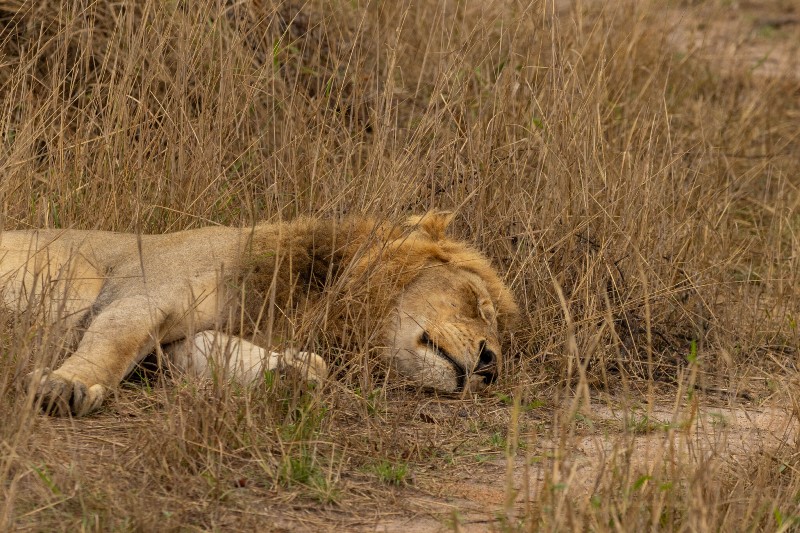
Wildlife examples of short sleeper syndrome such as Power Nap, Unihemispheric Sleep, Sleepless were discussed in previous column piece "Shuteye Strategies" (Click here to learn more). This article will introduce sleepaholics in the wild which while away all day sleeping. Are they lazybones? The truth begs to differ.
Energy-saving Sleepaholic
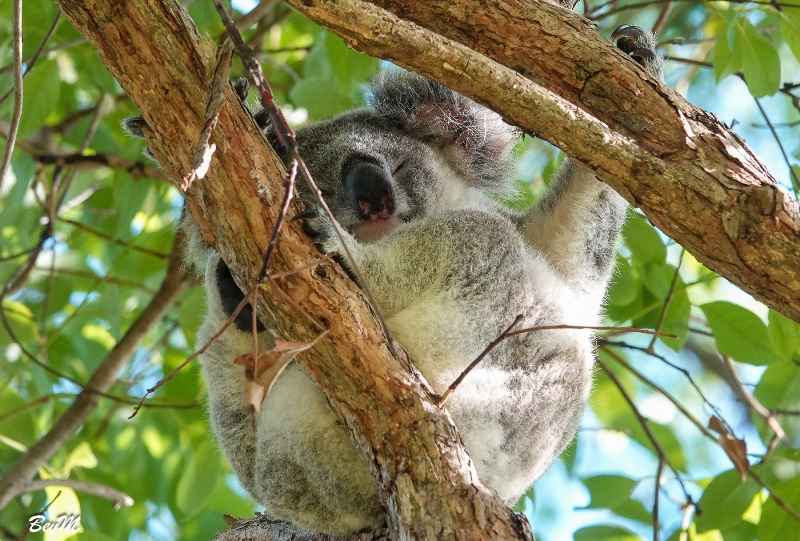
The sleep-prone animal widely known has to be Koala, the champion sleepaholic, which sleeps for twenty hours a day on average. It is dependent on eucalyptus for life. The eucalyptus leaves have low nutritional and caloric content and contain toxic compounds that deter other herbivores from feeding on them. The trade-off for the exclusive right to a eucalypt diet is perpetual torpor for energy conservation and digestion. Koalas are compulsive sleepers not by choice.
Recharging Sleepaholic
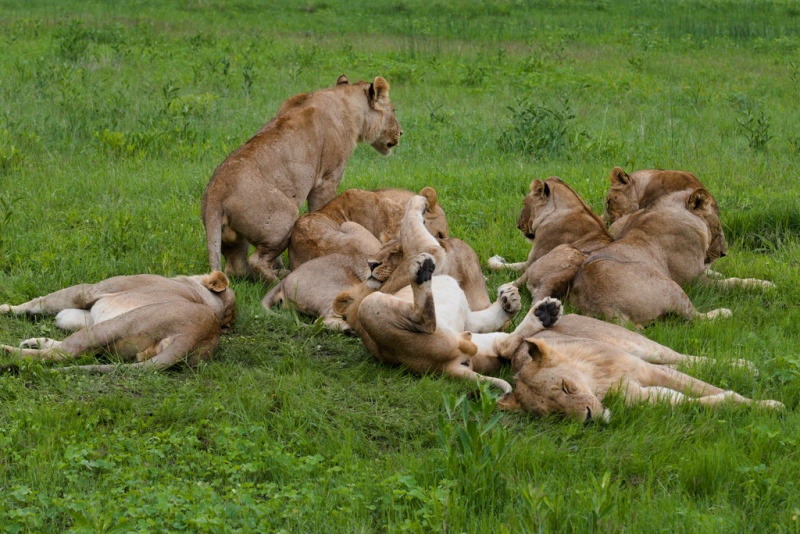
Most felines are fierce animals. The majestic lion, "king of the jungle", spends much of its time resting or in a slumber which averages up to fifteen hours a day.
Apex predator like lion sitting at the top of the food chain demands a lot of rest to recover after each energy-intensive hunt whether it catches prey or not. Having little competitors in the savannahs, lions can sleep like a log.
In a lion pride, lionesses have to raise cubs when lions lie down for a carefree stupor. What a male privilege!
Food Coma
After eating foods rich in sugar and fats, a spike in blood sugar triggers an insulin surge that causes drowsiness. The heavy-eyed postprandial somnolence, colloquially known as food coma, is not exclusive to humans. Pythons have energy slump too. They kill by constriction and swallow prey usually larger than themselves, sometimes more than half of their own body weight, which takes ages to digest. Upon devouring massive prey, they fall into an utmost eighteen-hour-long food coma so that the digestive system can command all the energy needed for digestion. Post-meal pythons are cumbersome and easy prey. Retreating into food coma following a feat of gluttony helps bloated pythons stay hidden from predators.
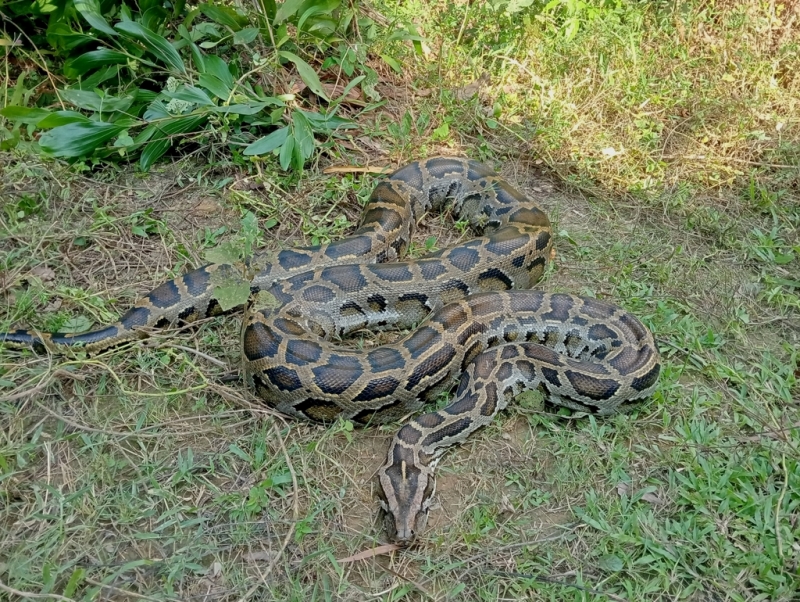
Snakes cannot close their eyes when they sleep because they have no eyelids. A comatose snake looks as alert as a waking one unless you have a brainwave detector to tell.