Online Shopping - The Invisible Garbage Time Bomb


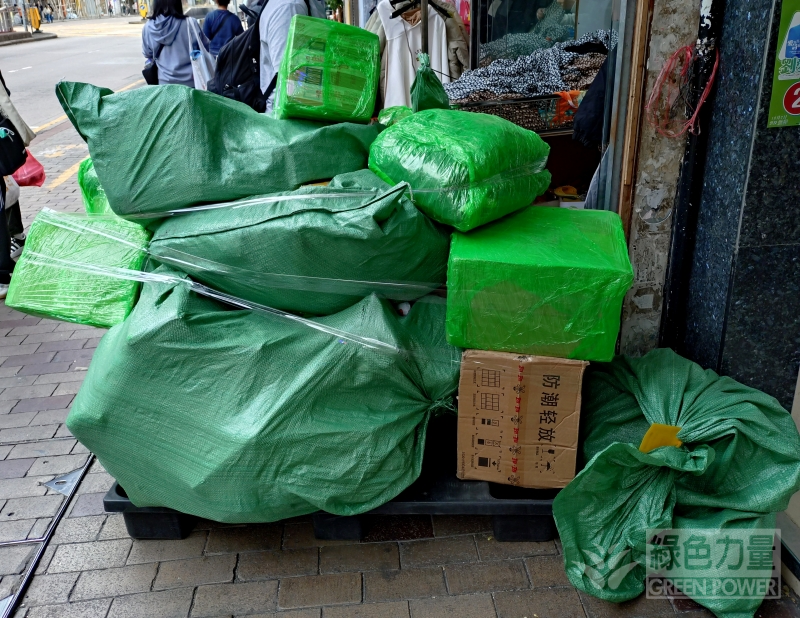
Online shopping is getting very popular nowadays. A study on the prevalence of online purchases was conducted by the Census and Statistics Department. Among the 2.4 million households polled in the government survey, 60% had made online purchases. This suggests online shopping has been a daily routine and a garbage time bomb.
A survey on e-commerce packaging by a local group in 2021 reported an average of 2.32 pieces of packaging was used for an online purchase. Among the online purchases examined, the most over-packaged one had nine pieces of packaging. That was shocking.
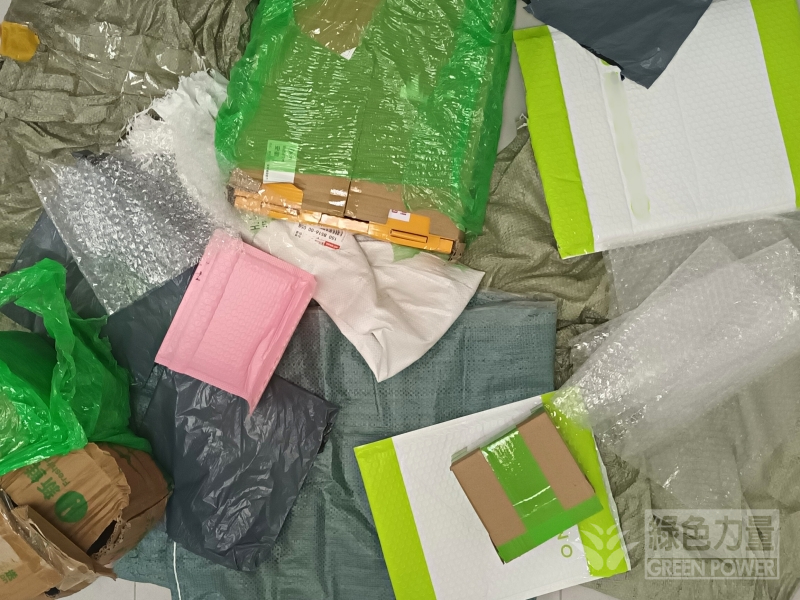
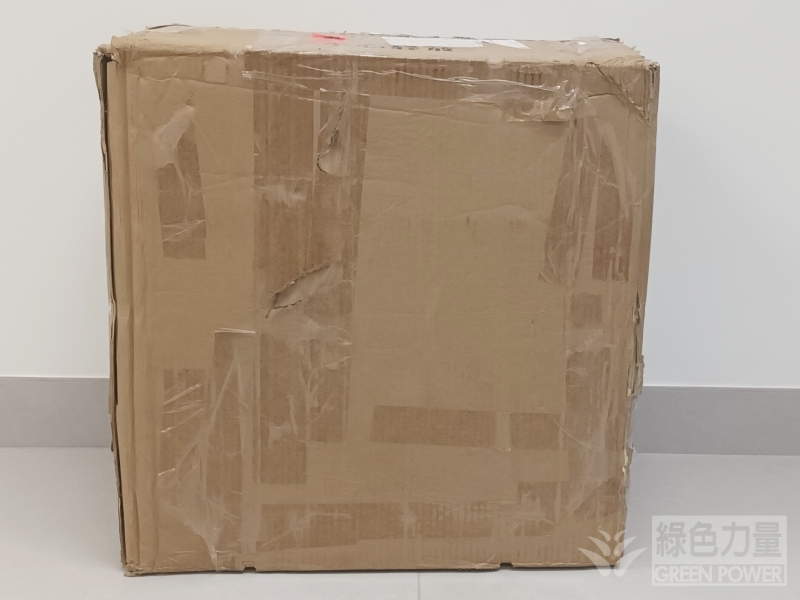
E-commerce packaging is divided into two categories: outer and inner. The outer wrapping components include cardboard box, plastic bag, plastic tape, nylon bulk bag, stretch film etc. Excessive use of plastic tapes e.g. applied unduly on cardboard boxes or wrapping bags other than for sealing purpose is particularly serious. Plastic tapes are not recyclable. Removing them from recyclables for recycling requires extra work.
The inner filling and cushioning components include bubble wrap, foam bead, airbag etc. These components stay intact upon delivery and are reusable. But lack of a takeback programme by retailers has resulted in them being thrown away with wanton disregard for the environment.
Mainland Example
Online shopping boom in mainland China has led to the proliferation of packaging waste. Some report attributed 90% of the increase in domestic waste in China’s megacities to be packaging waste. Therefore, authorities have revised the Interim Regulations on Express Delivery to promote green packaging and set up waste reduction and recycle targets. Some measures are worthy of reference for Hong Kong e.g. direct shipment of goods in primary packaging and reduce secondary packaging; use degradable and reusable packaging materials; report by businesses of the quantity of both plastic packaging and takeback.
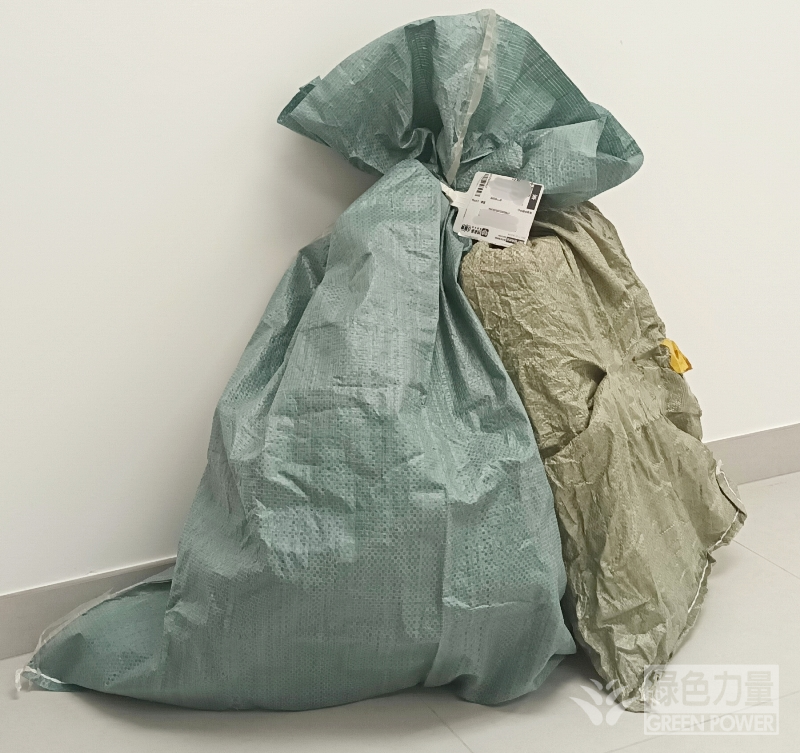
It is a tricky business regulating e-commerce packaging in Hong Kong when there is both local and cross-border parcel delivery. As cross-border manufacturers or retailers fall outside Hong Kong’s purview, requirements should be made on local forwarders: prohibit add-on packaging for parcels to be forwarded; consolidate goods with reusable bulk bags; install takeback points for bulk bags and stop using non-recyclable nylon bulk bags and stretch films.
For local parcel delivery which does not require further forwarding services and is short-distanced, there is space aplenty to accommodate green practices. Online shopping platform and retailers could provide options for primary packaging and use security tags or seals to prevent theft. Recyclables like paper should be prioritised as wrapping and cushioning materials to utilise existing recycling facilities. Non-recyclable materials like hybrids of paper and plastic should be avoided.
Legally binding measures have been introduced in various places (for example, Taiwan, Korea, Germany) to regulate e-commerce packaging, which are sadly missing in Hong Kong. The Environmental Protection Department launched the Packaging Reduction Charter in March this year. Participation in the Charter is voluntary. Businesses committed to reducing e-commerce packaging are recognised with awards. The effectiveness of the Charter is yet to be seen.